An independent analysis of the six cultural, demographic, and market forces driving one of the fastest-growing roles in American end-of-life care.
The death doula role — also called the end-of-life doula, death midwife, or EOLD — has moved from the edges of American end-of-life care into genuine mainstream recognition within a single decade. Membership in the National End-of-Life Doula Alliance (NEDA) grew from approximately 260 in 2019 to over 1,600 by 2024, a more than fivefold increase in five years. Training organizations such as INELDA report having certified roughly 8,000 doulas worldwide since their founding. Academic research on the role is expanding at nearly ten percent annually, and a small but growing share of hospice providers are now actively partnering with doulas in their care models.
This guide examines the six cultural, demographic, and market forces driving that growth — and what the continued rise of death doulas means for American families facing end-of-life care in the coming decade.
For a complete overview of what death doulas do, how much they cost, how they differ from hospice, and how to find one in your state, see our complete guide to death doulas and end-of-life support. For related industry data on hospice integration and service scope, see Why Hire a Death Doula? 7 Benefits of Doula Support.
1. Gaps in Conventional Hospice and End-of-Life Care
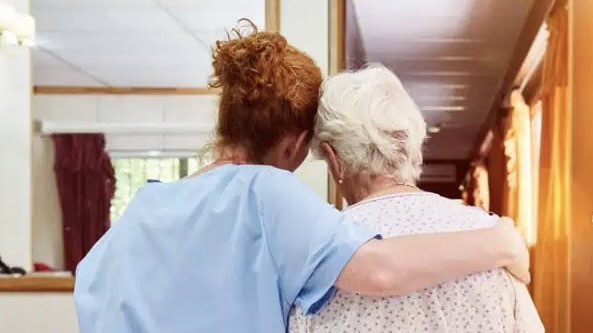
Hospice care in the US is clinically strong. What it is not structured to do is hold the extended emotional, spiritual, legacy, and family logistics work that families increasingly want at the end of life.
Hospice nurses rotate on schedules built for medical rounds, not for sitting bedside through twelve-hour vigils. Palliative care teams do extraordinary work on symptom management and comfort, but their time with each family is limited by caseload, shift rotation, and the structure of reimbursement.
Death doulas have emerged to fill precisely that gap. They are non-medical companions who occupy the territory clinical care is not designed for — explaining what is happening as a loved one dies, helping families distinguish normal signs of active dying (changes in breathing, skin mottling, terminal agitation) from emergencies, facilitating family conversations that would otherwise not happen, and providing the continuous, unhurried presence that modern healthcare systems cannot offer at scale.
A small but significant signal of the trend: industry research suggests roughly 6% of US hospice providers were planning to formally incorporate death doulas into their services as of 2025, recognizing that doulas enhance patient and family satisfaction in ways hospice alone cannot. Hospice-doula partnerships are no longer experimental — Goodwin Hospice and Present for You in Northern Virginia recently passed 2,000 doula-delivered patient visits under a formal partnership, an example of how clinical and doula care are beginning to integrate.
2. The Aging Baby Boomer Generation
There are approximately 76.4 million Baby Boomers currently living in the US, according to the US Census Bureau — a cohort now entering the demographic where end-of-life services become directly relevant rather than hypothetical. The CDC recorded 3.09 million US deaths in 2023, and the Census projects that figure to reach 3.6 million annually by 2037. The shorthand for this trend — the “silver tsunami” — is no longer a forecast; it is a reported trend line.
Baby Boomers have consistently pushed consumer sectors toward personalization, transparency, and alternatives to institutional defaults. They rejected tradition-bound funeral conventions in favor of direct cremation (the US cremation rate reached 61.9% in 2025, up from 56.2% in 2020).
They pushed healthcare toward patient autonomy and shared decision-making. They are now applying that same consumer posture to dying — and death doulas are the service model that matches what they want.
This demographic leans toward simple, holistic, and grassroots alternatives to clinical and corporate systems. They are less concerned with convention and more concerned with meaning.
They are willing to spend on what they value and decline to spend on what they don’t. For many Boomers, this translates to low-cost direct cremation paired with a family-led celebration of life — and, increasingly, a death doula supporting the dying process itself.
Affordable direct cremation providers have emerged to meet this demand alongside the doula movement. Services such as those offered by DFS Memorials make simple direct cremation available from $795 to $995 in most major US metros — the kind of straightforward, transparently priced option that Boomers and their adult children overwhelmingly prefer to traditional funeral packaging.
Visit DFS Memorials Local Providers to find a location and cremation price.
There is now a growing cultural movement toward openness about mortality—talking about death more, normalizing it. Activities like Death Cafés, Death Without Debt Workshops, community discussions, and public storytelling are helping to reduce stigma,
This demystifying is, in turn, driving people to be more interested in having doulas involved in end-of-life care. Experiences such as the COVID pandemic brought the true reality of death to the forefront in society and encouraged people to acknowledge their mortality and be more prepared for how to face it.
3. The COVID-19 Pandemic
COVID-19 exposed the limitations of institutional dying in a way no policy paper ever could. Isolation from family in the final hours. Rushed deaths in overwhelmed hospitals. Refrigerated trucks serving as temporary morgues outside New York City hospitals. Thousands of families were unable to hold funerals or be physically present for a loved one’s passing.
The pandemic produced a generational shift in public willingness to acknowledge and talk about death. Americans who had previously avoided the subject found themselves forced to reckon with mortality — their parents’, their own, their country’s. That shift carried directly into demand for death doulas.
The data backs the anecdote. Doulagivers, one of the largest US training organizations, trained more than 1,000 students in 2021 — up from roughly 380 in 2019. Merilynne Rush of The Dying Year reported moving from approximately 6 family inquiries a year pre-pandemic to 3 or 4 a month after. NEDA’s fivefold membership increase between 2019 and 2024 accelerated sharply on the COVID curve.
The pandemic also crystallized interest in simpler, lower-cost disposition. Direct cremation — no embalming, no viewing, no service at the funeral home — went from a niche choice to the majority US disposition preference.
Death doulas and direct cremation are, in this sense, two expressions of the same underlying consumer shift: Americans wanting intentional, personal, unpackaged alternatives to what the institutional end-of-life industries have historically offered.
Visit the DFS Memorials website to find a cremation service provider near you and the best price for a simple cremation.
4. The Death-Positive Movement

Parallel to the demographic and pandemic forces is a genuine cultural shift: Americans are becoming more willing to discuss, prepare for, and make decisions about death while they are healthy. Death Cafés — informal community gatherings where people meet to discuss mortality over tea and cake — have expanded from a handful of UK-based gatherings in 2011 to thousands of events across the US annually.
Death Without Debt workshops, death-positive book clubs, public-facing podcasts, and AARP-hosted national Death Café events (moderated by certified doulas) have shifted mainstream media coverage of the topic from “morbid niche” to “generational curiosity.”
This matters for doula demand because it changes when families first engage with end-of-life planning. Death doulas traditionally received most of their inquiries during active dying — a family member already in the final days, with very little runway for meaningful legacy work, conversations, or planning. As the cultural posture toward death has shifted, doulas increasingly receive inquiries from healthy adults doing advance care planning, from families at the point of a terminal diagnosis, and from caregivers supporting someone with a long-trajectory illness such as dementia. The engagement window has widened substantially.
Consumer sentiment surveys consistently find the same pattern: the vast majority of Americans say a planned, meaningful end-of-life experience matters to them, while only a small minority have actually discussed it with their families or documented their wishes. Death doulas fill precisely this gap between intent and action — they are the practical bridge between wanting a good death and actually planning for one.
5. Consumer Demand for Cost-Conscious, Personalized Alternatives for death care
The same consumer forces that have driven the US cremation rate above 60% are also driving demand for death doulas. American families are increasingly skeptical of the traditional funeral industry’s packaging and pricing conventions.
They are looking for transparency, choice, and services that match their actual values rather than defaulting to what the industry has historically offered.
Death doulas fit that consumer posture squarely. They are independent, typically operate as small businesses or sole practitioners, and provide their services outside the institutional framework of funeral homes, hospitals, or large hospice agencies. Their fees are published and straightforward ($25–$150 per hour, $500–$5,000 for comprehensive packages — see our detailed cost guide). Many offer sliding-scale fees and pro bono work.
As death doulas support families through dying, they also increasingly help with decisions about what happens after. This is one of the less-discussed but increasingly important aspects of the role: doulas often function as consumer advocates throughout the funeral planning process, helping families navigate the FTC Funeral Rule, review General Price Lists across multiple funeral homes, and make informed choices rather than accepting the first quote.
In practice, doulas frequently refer families to affordable, vetted direct cremation networks such as DFS Memorials, whose partner providers offer simple cremation from $795 to $995 in most US metros. DFS Memorials works directly with death doula alliances to connect families with transparent, straightforward cremation pricing.
The result is a cluster of trends moving in concert: direct cremation adoption, family-led celebrations of life, home funerals (legal in all 50 states, with state-specific regulations), growth in green and natural burial, and death doula engagement. Each is a facet of the same underlying consumer shift toward intentional, personalized, cost-conscious end-of-life choices.
6. The Caregiver Burden and the Coming Decade
The practical force that may matter most over the next decade is simpler than any cultural shift: the math of the aging US population colliding with the capacity limits of formal healthcare.
The US already faces a projected shortage of registered nurses, hospice staff, and direct-care workers, and the shortage is forecast to widen significantly as Baby Boomer mortality accelerates. At the same time, more older Americans are electing to die at home — a trend accelerated by the pandemic and supported by hospice policy. The implication is straightforward: more families will need to step up as primary caregivers, with less formal support than previous generations received.
Death doulas occupy a crucial space in this emerging structure. They are a non-medical, non-institutional support layer that can operate at community scale, training new practitioners quickly (most US programs take weeks to a few months) and delivering exactly the kind of continuous companioning and family logistics support that hospice cannot. The World Health Organization estimates roughly 57 million people globally require palliative care annually, yet only about 14% receive it — a gap that in the US context translates to millions of families who want more support than the clinical system can deliver.
The doula role is likely to expand further from here — both in numbers and in scope. Expect to see more state-level discussion about licensure and scope-of-practice definitions, more formal hospice-doula partnerships, more employer benefits programs beginning to cover doula care, and a growing body of US academic research examining outcomes and integration models. The question is no longer whether the death doula movement will continue — that is already evident in the growth data. The question is how quickly US healthcare systems, insurers, and funeral industries will integrate a role that American families have already demonstrated they want.
What This Means for Families Today
For families considering end-of-life care — whether for a parent facing a terminal diagnosis, for aging Baby Boomers planning proactively, or for caregivers supporting a long-trajectory illness — the death doula role offers a form of support that did not meaningfully exist in the US twenty years ago. The consumer choice set has expanded substantially, and the barriers to engaging a doula (cost, geographic availability, and finding a practitioner) have dropped year over year.
Three practical takeaways:
Engage earlier than you think you should. Most families contact a doula only in the final days. The highest-value engagement window is at or near a terminal diagnosis, where the doula has time to support advance planning, legacy projects, family conversations, and meaningful preparation.
Treat the doula search like any other important hiring decision. Interview several, ask for written scope agreements, verify training background, and trust your instinct on fit. The field is unregulated — vetting is the family’s responsibility, and good doulas expect it.
Remember that death doulas are complementary to, not a replacement for, hospice. The best outcomes come from engaging both. Hospice manages the clinical trajectory; the doula holds the human one.
Find a Death Doula in Your State
US Funerals Online maintains a free, independent directory of end-of-life doulas across all 50 states and several US territories. We are not a training organization, we do not place graduates, and we do not charge doulas to be listed. Browse the full state directory and deeper guides to the role:
Browse the full Death Doula archive
Find a Death Doula in Your State →
Death Doulas vs Hospice Workers: Key Differences
How Much Does It Cost to Hire a Death Doula?
Why Hire a Death Doula? 7 Benefits
Sources referenced in this article
- National End-of-Life Doula Alliance (NEDA) membership data
- International End-of-Life Doula Association (INELDA) training statistics
- US Census Bureau — Baby Boomer population data
- Centers for Disease Control and Prevention (CDC) — 2023 US mortality data
- Cremation Association of North America (CANA) — US cremation rate statistics
- National Library of Medicine — Describing the End-of-Life Doula Role and Practices of Care
- World Health Organization — Global palliative care access data
- TIME Magazine, January 2022 — Death Doulas Used to Be Rare. The COVID-19 Pandemic Changed That
- AARP Senior Planet Death Café events (2025–2026)


