Funeral Planning Guide | By Sara Marsden-Ille | Updated October 2026
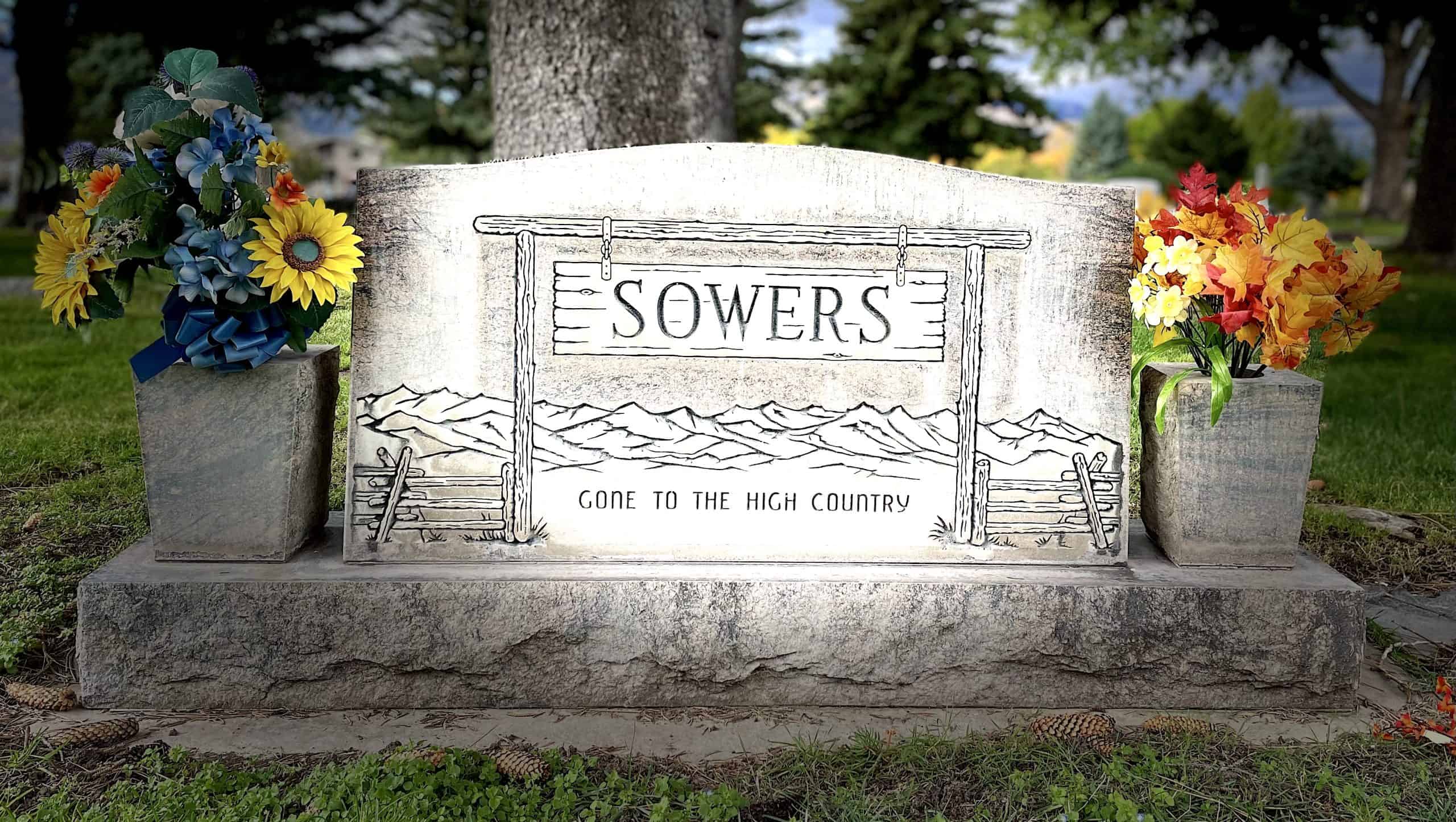
Most headstones cost between about $400 and $3,000. A simple flat granite marker can cost a few hundred dollars, a single upright headstone typically costs $1,000 to $3,000, and companion stones, ledgers, and custom monuments cost more. On top of the stone itself, most cemeteries charge separately for a foundation, installation, or a permit, which can add several hundred dollars or more.
This guide explains headstone prices by type, the extra fees to expect, standard headstone and grave sizes, the cemetery rules you need to check first, and how to buy a quality memorial without overpaying.
Key Takeaways – Buying a Headstone
- Typical prices: flat markers from a few hundred dollars; single uprights $1,000 to $3,000; companion uprights from about $2,500.
- Cemetery fees are extra: foundations, setting, and permits commonly add $200 to $1,000 or more.
- Check the cemetery’s rules first. Many sections allow flat markers only, and most cemeteries set size and material limits.
- You don’t have to buy from the cemetery. Independent monument dealers and online sellers are often far cheaper.
- There’s no rush. Headstones are usually placed months after the burial, once the ground has settled.
- Veterans are entitled to a free government headstone, marker, or medallion.
Headstone Prices by Type
The type of marker is the biggest factor in price. These ranges come from monument dealers’ published 2026 prices, and include basic engraving of names and dates.
| Type | What it is | Typical price |
|---|---|---|
| Flat (grass) marker | A flat granite stone set level with the ground. Allowed in almost every cemetery and the least expensive option. | About $300 – $1,500 |
| Bronze flat marker | A cast bronze plaque mounted on a granite base. Required in many memorial-park (lawn) cemeteries. | From about $2,000 |
| Bevel marker | A low marker raised a few inches at the back, so the face slopes slightly. | From about $1,200 |
| Slant marker | A wedge-shaped stone with a sloped face, taller than a bevel. | From about $1,400 |
| Upright headstone (single) | The traditional standing stone on a granite base. | About $1,000 – $3,000 |
| Upright companion headstone | A wider upright stone with two names, for couples buried side by side. | About $2,500 – $3,000+ |
| Bench memorial | A granite bench, often engraved, used as a marker or in a cremation garden. | From about $2,250 |
| Ledger | A full-length slab covering the grave. | About $5,000 – $10,000 |
| Custom monument | Sculpted, oversized, or unusual designs. | $5,000+ |
Sources: Gaulden Monuments (South Carolina) published 2026 starting prices; Traditional Headstones Georgia 2026 price guide; Memorial Merits 2026 headstone cost guide. Prices vary by region, granite color, size, and design.
What pushes the price up: colored or black granite (gray is usually the least expensive), larger stones, extra lines of text or verses, carved or etched artwork, laser-etched portraits, and ceramic photos. Simple gray granite with names and dates is the most affordable choice in almost any style.
Extra Costs to Budget For
The price of the stone is rarely the whole bill. Ask about these before you order:
| Cost | Typical range | Who charges it |
|---|---|---|
| Foundation or footing | $200 – $600 | Usually the cemetery |
| Installation or setting | $100 – $800 | Cemetery or monument dealer |
| Marker permit or inspection | $50 – $300 | Cemetery |
| Extra engraving, artwork, or photos | About $300 – $1,000+ | Monument dealer |
| Adding a final date later (on-site engraving) | From about $175 | Monument dealer |
| Delivery | Often free; sometimes extra for remote cemeteries | Monument dealer |
Cemetery fees vary widely. One industry guide found foundation and installation charges from about $489 to $1,704 at a New York cemetery, and $200 to $2,000 across California. The Funeral Consumers Alliance suggests budgeting at least $1,000 in total for a headstone, engraving, and installation.
Cemetery Headstone Rules: Check Before You Buy
Every cemetery has its own rules and regulations for memorials, and they can refuse a stone that doesn’t comply. Before you order, ask the cemetery office for its memorial rules in writing. Common rules cover:
- Type of marker by section. Many lawn or memorial-park sections allow only flat markers, sometimes bronze only. Upright stones may be limited to certain sections.
- Size and material. Maximum width, height, and thickness, and approved materials (usually granite or bronze).
- Foundations and installation. Whether the cemetery pours the foundation itself, who may install, and whether installers need insurance.
- Approval. Many cemeteries require you to submit the design for approval before the stone is made.
- Timing. Some cemeteries set a minimum wait after burial before a marker can be set.
- Decorations. Rules on vases, solar lights, photos, and items left at the grave.
Can a cemetery make you buy the headstone from them? Cemeteries can set reasonable size and style rules, but buying from an outside dealer is generally your choice. Some states go further. Florida, for example, prohibits cemeteries from requiring that monuments be bought from them, and bars them from charging third-party installers a setting or service fee. The Funeral Consumers Alliance notes that some cemeteries still insist on selling the marker or add “inspection fees” for outside stones, a practice it describes as legally questionable. If you’re told you must buy from the cemetery, ask for the rule in writing and check with your state’s cemetery regulator.
Standard Headstone and Grave Sizes
Sizes vary by cemetery and section, so always confirm the allowed dimensions first. As a guide, these are common sizes, including the US government’s specifications for veterans’ markers:
| Marker | Common size |
|---|---|
| Flat marker, single grave | 24″ x 12″ (VA flat granite or bronze marker standard) |
| Flat marker, larger single or double-depth grave (two names) | 28″ x 16″ |
| Flat companion marker centered over two side-by-side graves | 36″ x 18″ or 44″ x 14″ |
| Infant grave or cremation plot marker | About 16″ x 8″ |
| Upright headstone (VA standard) | 42″ tall x 13″ wide x 4″ thick |
| Bronze niche plaque (VA standard) | 8½” x 5½” |
What size is a grave plot? A standard single grave is typically about 2½ to 3 feet wide and 8 to 10 feet long. Companion plots are wider, and cremation plots are much smaller, often 1 to 2 feet wide. Cemeteries set their own dimensions, so check the plot map before you buy. For prices, see our guide to burial plot costs.
Choosing a Headstone: Material, Design, and Wording
Material. Granite is the most common choice because it is hard-wearing and comes in many colors. Bronze is often required in lawn cemeteries and is mounted on a granite base. Marble is softer and weathers faster, so it is less common today.
Single or companion. Couples who will be buried side by side often choose one companion stone with both names. It usually costs less than two separate stones. The second person’s date of death is added later.
Design and wording. Most headstones show the full name and dates of birth and death. Many families add a short epitaph, a religious or personal symbol (a cross, Star of David, praying hands, flowers, or something that reflects the person’s life), or a photo. Keep the wording short enough to fit comfortably, and ask your monument dealer for a proof to approve before production.
Not sure whether you need a headstone or a grave marker? Our guide explains the difference between a grave marker and a headstone.
Where to Buy a Headstone
- The cemetery or funeral home. Convenient, and they know the rules, but often the most expensive option.
- A local monument company. You can see stones in person, and established local dealers usually know their nearby cemeteries’ rules. Many also install.
- Online sellers. Often the lowest prices, with free delivery in many cases. You will usually need to arrange installation through the cemetery or a local installer, so confirm those costs first.
Whichever you choose, get at least two written quotes for the same design, and confirm what’s included: engraving, delivery, installation, and any foundation.
When Can a Headstone Be Placed on a Grave?
Headstones are usually set several months after the burial, and often up to a year later. This gives the ground time to settle so the stone stays level, and gives the family time to decide on a design without pressure. Some cemeteries set their own waiting period. In Jewish tradition, the headstone is often unveiled at a ceremony within the first year after the death.
Ordering usually takes several weeks to a few months from design approval to installation, so it is reasonable to start the process a few months after the funeral.
Free Headstones and Markers for Veterans
The Department of Veterans Affairs provides a government headstone, flat marker, niche marker, or medallion free of charge for eligible veterans, whether they are buried in a national cemetery or a private one. A few points to know:
- Apply with VA Form 40-1330, usually through the funeral director or cemetery.
- In a private cemetery, the VA does not pay to install the marker, so ask the cemetery about its setting fee.
- Spouses and dependents buried in a private cemetery are not eligible for their own government marker.
- If the grave already has a private headstone, the veteran may be able to receive a bronze medallion to attach to it.
How to Save on a Headstone
- Find out the cemetery’s fees first, so you can compare total costs, not just stone prices.
- Compare at least two dealers, including an independent or online seller.
- Choose a flat or bevel marker if the section allows it and an upright isn’t important to you.
- Pick gray granite and keep the design simple.
- Use one companion stone for a couple instead of two single stones.
- Claim veterans’ benefits if they apply.
A headstone is one part of the overall cemetery bill. Our burial plot cost guide covers the plot, opening and closing, and vault costs. If you are still looking for a plot, you can often save by buying a resale cemetery plot.
Memorials for Cremated Remains
With most Americans now choosing cremation, memorials are changing too. If ashes are buried in a cremation plot, a small flat marker is usually all that’s needed. Columbarium niches typically use a small engraved plaque on the niche front. Families who scatter ashes or keep them at home often choose a memorial bench, a garden stone, or a plaque at a meaningful place, many of which don’t need professional installation. See our ash scattering guide for ideas.
Caring for and Protecting a Headstone
Granite and bronze need little care beyond occasional gentle cleaning with water and a soft brush; avoid bleach, wire brushes, and pressure washers. If a stone is damaged, first ask the cemetery whether it was caused by grounds maintenance. Many monument dealers guarantee their work against defects, and some homeowner’s insurance policies cover grave markers, so it is worth checking your policy.
Free Download: The Complete Funeral & Cremation Planning Guide
Plan every part of a funeral or cremation, from the service to the final resting place and memorial, with our free 2026 guide.
Frequently Asked Questions
How much is a headstone?
Most headstones cost $400 to $3,000. Flat markers start at a few hundred dollars, single uprights usually cost $1,000 to $3,000, and companion stones and ledgers cost more. Add cemetery foundation and installation fees, which are often a few hundred dollars.
What is the cheapest type of headstone?
A flat gray granite grass marker with basic engraving is usually the least expensive option, and it is accepted in almost every cemetery.
Can a name be put on a headstone before death?
Yes. Couples often order a companion headstone with both names after the first death, leaving the second date of death blank. It is added later by on-site engraving, which typically starts at about $175.
Can I buy a headstone in advance?
Yes. Many people pre-purchase a headstone along with their plot, which fixes today’s price and spares the family a decision later. Bronze memorials can be inscribed either at purchase or at installation.
What is the standard depth of headstone engraving?
Sandblasted lettering is commonly cut about a quarter of an inch deep. Very fine artwork may be cut slightly shallower to protect the stone.
Related Guides
- How Much Does a Burial Plot Cost?
- How to Sell or Buy a Cemetery Plot
- Grave Marker vs. Headstone: The Key Differences
- How to Create Your Own Memorial Tributes
- Funeral Pre-Planning Guide
Sources
- Gaulden Monuments: What Is the Average Cost of a Headstone?
- Traditional Headstones Georgia: Headstone Prices in 2026
- Memorial Merits: Headstone Cost in 2026
- Funeral Consumers Alliance: Traditional Burial
- Florida Statutes §497.280
- US Department of Veterans Affairs: Headstones, Markers, and Medallions
- VA Form 40-1330 (marker specifications)
- Devlin Funeral Home: Grave Plot Sizes


