
Introduction: A New Kind of Support in End-of-Life Care – Bridging the Care Gap
What research and families actually mean by a “good death” — and the specific ways death doulas help make one possible.
The phrase “a good death” has moved from academic palliative-care literature into mainstream American conversation within a decade. Where families once might have hoped simply for a pain-free passing, more are now asking a harder and more meaningful question: what would make this death feel right — for the person dying, and for the people who will remember it?
The research is increasingly clear that the answer has little to do with medicine and almost everything to do with presence. A good death, as defined across decades of palliative care research, is marked by meaningful relationships, a sense of completion, comfort, honored wishes, and the opportunity to leave a legacy.
The World Health Organization estimates that roughly 57 million people globally require palliative care each year, yet only about 14% receive it — a gap that represents not a shortage of medical capacity so much as a shortage of the human presence, continuity, and compassion that families deeply need.
This is the territory death doulas have stepped into. Not to replace hospice, not to provide medical care, but to help families achieve something the healthcare system was never structured to deliver: a death that feels like a meaningful human event rather than a clinical failure. This guide explores what researchers and families actually mean by a “good death,” the specific ways doulas support each element of it, and why this cultural shift represents something more profound than a new profession.
For a complete overview of what death doulas do, how to find one, and how the role fits into end-of-life care, see our complete guide to death doulas and end-of-life support.
1. What Does a “Good Death” Actually Mean?
The concept of a “good death” — sometimes called “quality of dying and death” (QODD) in clinical research — has been studied for decades, most notably by researchers at the Yale School of Nursing and the Institute of Medicine. Across that body of work, the same core elements appear consistently. A good death is generally understood as one that includes:
Freedom from avoidable pain and distressing symptoms. This is where hospice and palliative medicine do their essential work. Pain management is necessary but not sufficient.
Clear communication and decision-making. The dying person understands what is happening and has had the opportunity to express their wishes. Family members are not surprised, confused, or excluded.
Preparation — practical, emotional, and spiritual. Affairs in order. Conversations had. Goodbyes said. The dying person has had time to make meaning of their life and reach some sense of completion.
Meaningful connection with loved ones. The dying person is not alone. Important relationships are honored, tended to, and, where needed, repaired.
Wishes honored. Place of death, who is present, what rituals are observed, how the body is cared for afterward — these reflect the dying person’s values rather than institutional defaults.
Affirmation of the whole person. Dignity intact. The dying person is treated as a full human being with a life story, not as a medical case.
What researchers have consistently found is that families who experience these elements during a loved one’s dying process grieve differently afterward. The quality of the death shapes the quality of the bereavement — survivors who witness a good death tend to process loss more adaptively, experience less complicated grief, and remember the dying period as meaningful rather than traumatic.
This is the gap that institutional care struggles to close. Clinical systems can deliver excellent pain management; they cannot, at scale, deliver meaningful conversations, legacy work, ritual, and presence. That is where death doulas have emerged to help.
2. The Role of Legacy Work in a Meaningful Death
If there is one area of death doula practice that most distinguishes a doula-supported dying experience from a purely clinical one, it is legacy work. This is not a small side activity; for many families, it becomes the single most meaningful aspect of the final chapter of a loved one’s life.
Legacy work is the intentional, guided process of helping the dying person articulate, document, and pass on what has mattered most to them — values, stories, lessons, blessings, relationships, love. It is something the dying person does rather than something done to them, and the doula’s role is to create the conditions, hold the space, and help the work happen.
Forms legacy work commonly takes:
Life review conversations. Many dying people want, sometimes desperately, to tell the story of their life while they still can. A doula guides these conversations with warmth and structure, often recording them for the family. What emerges is frequently the most complete and honest account of a person’s life that their loved ones will ever have.
Letters to specific people. Letters to a spouse, to each child, to grandchildren not yet old enough to understand, to friends. Letters to be read at weddings, graduations, or on specific birthdays. Letters that say what needs saying while there is still time.
Video and audio recordings. Recorded messages, shared memories, and advice for future milestones. Many families describe watching or listening to these recordings years later as one of the most precious inheritances they received.
Ethical wills. A tradition older than legal wills — a document passing on values, beliefs, hopes, and blessings rather than property. Many doulas help their clients craft ethical wills as a parallel to legal estate planning.
Memory objects and keepsakes. Curated selections of meaningful possessions with accompanying stories. Photo books annotated with context that only the dying person can provide. Quilts made from a parent’s shirts. Recipes transcribed in the dying person’s handwriting while they can still hold a pen.
Final ritual and environment. How the room should feel in the final days. What music should play? Who should be present and in what order. What should be said when death is near? These choices are themselves a form of legacy — the person’s last act of expressing who they are.
What is notable about legacy work is not just its emotional value but what it prevents. Families who have engaged in meaningful legacy work with a loved one describe their grief differently afterward. The unfinished business is smaller. The regrets are fewer. The questions the dying person would have answered have been answered.
Complicated grief — the kind that resists resolution and lingers for years — is less common when the dying period has included this kind of active, guided meaning-making.
This is work that clinical care is not structured to do. Hospice nurses, for all their skill and compassion, are not reimbursed for sitting with a dying woman for four hours while she records an audio memoir for her granddaughter. That work happens because a doula makes it happen.
Death doulas offer critical support in this transition:
- Emotional grounding: Doulas provide reassurance and gentle guidance during moments of uncertainty or fear.
- Ritual and remembrance: By facilitating legacy work—such as writing letters, recording stories, or creating memory objects—EOLDs help families find meaning and closure.
- After-death care: Many doulas remain available to assist with early bereavement, helping families navigate both practical and emotional adjustments.
The presence of a doula can transform a family’s memory of dying from one of trauma to one of meaning. By emphasizing comfort, respect, and connection, they help ensure that caregivers—and the dying person—experience what many describe as a “good death.”
3. Communication, Continuity, and Presence

Beyond legacy work, doulas support the “good death” by providing three qualities that modern healthcare systems struggle to deliver at scale: clear communication, continuity of relationship, and simple presence.
Communication. Research consistently finds that poor communication between healthcare providers and families increases stress, contributes to complicated grief, and reduces satisfaction with care. Doulas help translate clinical language, explain what is happening and what to expect, facilitate difficult family conversations, and ensure the dying person’s voice is heard. They do not replace the medical team; they help families actually understand what the medical team is saying.
Continuity. In most hospitals and even many hospice settings, nursing shifts rotate. The family may meet a different nurse each day, sometimes several in a single day. A doula, by contrast, is the same familiar face from diagnosis through the final hours — and often beyond. That continuity matters enormously to families navigating one of the hardest periods of their lives.
Presence. Perhaps the simplest and most essential contribution. Being there. Sitting with a dying person so a caregiver can sleep. Being with a spouse at 3 a.m. when fear is loudest. Holding the room during the quiet hours that clinical staff cannot cover. Presence is not a deliverable; it is what healthcare systems, by their structural nature, cannot consistently provide. Doulas can.
For a deeper look at how these roles contrast with clinical hospice care, see Death Doulas vs Hospice Workers: What Are the Key Differences?
4. Doulas Can Elevate the Quality of End-of-Life Planning
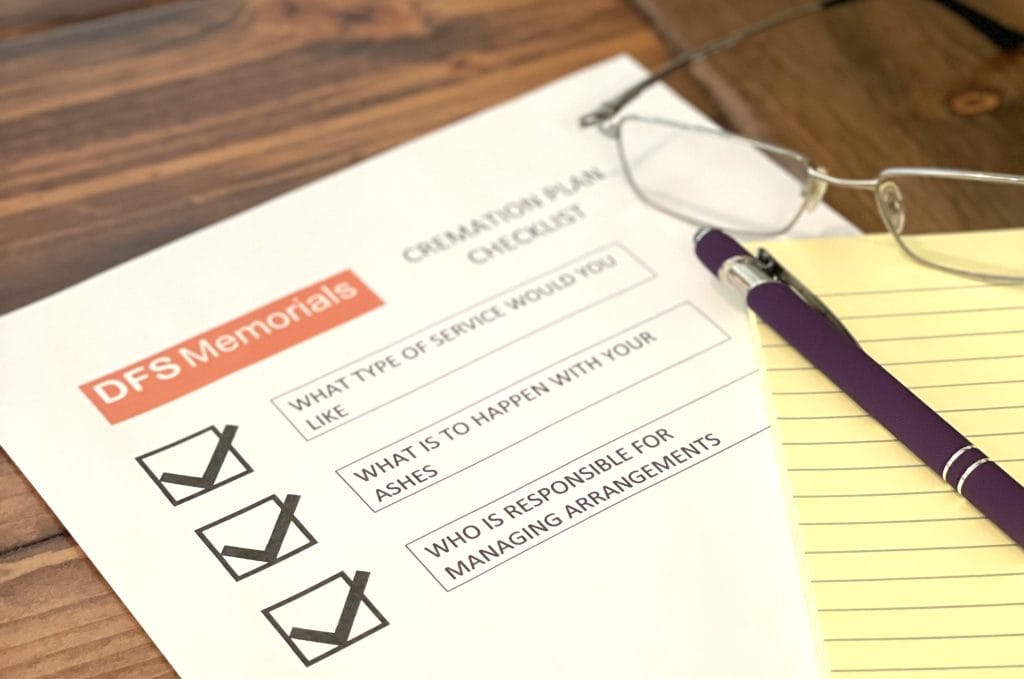
End-of-life planning encompasses more than just legal documents and funeral or cremation arrangements; it’s about aligning care with the person’s values and wishes. Doulas excel at guiding these conversations with empathy and clarity.
When Planning Begins Earlier, Everything Changes
The single most frequently voiced regret among families who engage a death doula is that they did not engage one sooner. Most families contact a doula only during active dying — by which point there is very little time for legacy work, meaningful conversations, or planning. A doula engaged at or near a terminal diagnosis has weeks or months in which to do the deep work that makes a good death possible.
Engaging earlier opens up:
- Advance care planning done with clarity rather than crisis
- Legacy projects are completed while the dying person still has the energy and cognitive capacity to do them
- Family conversations are held while there is still time to repair relationships or say difficult things
- Preferences documented and communicated to the medical team before decisions become urgent
- Meaningful preparation — emotional, spiritual, practical — rather than last-minute scrambling
For a detailed guide on when to contact a doula, how to interview candidates, and what to ask, see the relevant sections of our complete death doula guide.
Key ways EOLDs enhance end-of-life planning:
- Encouraging advance care discussions: They help clients express what matters most—preferred place of death, type of care, and spiritual or cultural needs.
- Integrating the whole person: Doulas recognize that peace at the end of life often involves transcendence—a sense of connection to something greater. This awareness can bring calm, hope, and reduced anxiety.
- Collaborating with professionals: By coordinating with medical teams, doulas strengthen the quality of interdisciplinary care and ensure consistent communication.
When planning incorporates emotional, spiritual, and practical readiness, both patients and families can move through the final stage with less fear and greater peace. A well-prepared end-of-life plan also reduces conflict, prevents last-minute crises, and supports healthier grief afterward.
Supporting Family Caregivers Through the Process
Family caregivers — usually adult children, spouses, or close friends — sit at the heart of most American deaths. They are also frequently exhausted, frightened, and carrying more than they know how to carry. Research on caregiver outcomes consistently shows that how the caregiver experiences the dying period shapes their grief for years afterward.
Death doulas support family caregivers in several concrete ways:
Reducing the sense of being alone in the process. A doula is a knowledgeable companion who has been through many deaths. Simply knowing someone experienced is walking alongside you is a meaningful form of support.
Practical load-sharing during active dying. Coordinating vigil shifts among family members. Managing the flow of visitors. Handling the small logistics that otherwise pile up — making calls, preparing food, managing medications on the schedule the hospice nurse has set.
Permission to rest. Many caregivers feel they cannot leave a dying loved one’s side, even when they are collapsing from exhaustion. A doula can take over bedside presence for four or six hours so the primary caregiver can sleep, shower, eat, or simply step outside. This is one of the most commonly reported reasons families rate doula support as transformative.
Emotional holding during and after death. The first hours after a death are disorienting. A doula who has been with the family through the dying period can guide the family through what happens next — who to call, what to do with the body if home-funeral practices are being observed, how to contact the funeral director, and what paperwork comes next. This is also the moment when doulas frequently help families make thoughtful, unrushed decisions about disposition — often steering toward simpler, lower-cost options, such as direct cremation through vetted providers like DFS Memorials, rather than whatever the first phone call suggests.
Continued support into early bereavement. Many doulas remain available to the family in the weeks following the death, helping with the practical tasks that keep arising and offering companionship through the earliest and hardest phase of grief.
A Cultural Shift, Not Just a New Profession
The rise of the death doula role reflects something deeper than the emergence of a new service category. It reflects a broader American reconsideration of what dying should look like — a shift away from the twentieth-century default of institutional, medicalized, and often rushed deaths, and toward something more intentional, more personal, and more consistent with how families actually want to remember their loved ones.
This shift is documented across multiple indicators: the growth of the death-positive movement, the expansion of Death Café conversations, the rising US cremation rate (61.9% in 2025, up from 56.2% in 2020), the renewed interest in home funerals, the growth of green burial, and the fivefold expansion of the National End-of-Life Doula Alliance since 2019. Each is a facet of the same underlying shift: Americans wanting dying to be approached with intention rather than abdicated to institutional defaults.
For the cultural and demographic forces driving this change, see our companion piece: What’s Fueling the Rise of Death Doulas in the US?
The death doula movement represents more than a new profession—it’s a cultural shift. It reminds us that dying is not solely a medical event but a deeply human one, where compassion and presence matter as much as medication and technology.
What Families Can Do Today?
The research on what makes a good death is remarkably actionable. Families considering end-of-life support can take several concrete steps:
Start the conversation while everyone is healthy. The best advance care planning happens well before a crisis. If a family member has not documented their wishes — or you have not documented yours — that is work worth doing this year, not the year of a diagnosis.
Engage a death doula early, not late. At or near a terminal diagnosis is the high-value engagement window. Most doulas offer free or low-cost initial consultations, so interviewing a few is low-risk and informative.
Talk about what a “good death” would mean specifically. This is a different conversation from “do not resuscitate” or advance directives. It is about what the dying person wants the experience to feel like — where, with whom, with what music, with what rituals, with what said.
Consider legacy work a priority, not a luxury. Of all the interventions that shape how a family remembers a death, legacy work is among the most powerful. The time to do it is now, while the dying person still can.
Remember that planning for what happens after is part of a good death. Simple, affordable, intentional disposition choices are themselves an expression of values. Direct cremation followed by a family-led celebration of life is, for many American families, the choice that most reflects how they actually want to be remembered. DFS Memorials provides vetted direct cremation partners at prices ranging from $795 to $995 in most US metros.
Find a Death Doula in Your State
US Funerals Online maintains a free, independent directory of end-of-life doulas across all 50 states and several US territories. We do not charge doulas to be listed.
- Find a Death Doula in Your State →
- How Much Does It Cost to Hire a Death Doula?
- Why Hire a Death Doula? 7 Benefits of Doula Support
- Death Doulas vs Hospice Workers: Key Differences
- What’s Fueling the Rise of Death Doulas in the US?
- Browse the full Death Doula archive
Sources referenced in this article
Cremation Association of North America (CANA) — US cremation rate statistics
World Health Organization — Global palliative care access data
Institute of Medicine — Dying in America: Improving Quality and Honoring Individual Preferences Near the End of Life
Yale School of Nursing — Research on Quality of Dying and Death (QODD)
National Hospice and Palliative Care Organization (NHPCO)
National End-of-Life Doula Alliance (NEDA)


