Funeral Costs & Options in Virginia: 2026 Guide
End of Life Planning Guide | By Sara Marsden-Ille | Updated April 2026
Planning a funeral in Virginia involves understanding state-specific laws, comparing costs across different service types, and knowing the options available to you. Whether you are making arrangements at the time of need or planning ahead, this comprehensive guide covers everything from direct cremation to traditional burial, Virginia’s unique funeral regulations, pre-planning strategies, and financial assistance programs.
Virginia offers families a full spectrum of funeral and disposition options, from direct cremation to traditional burials and increasingly popular green burial services. With comprehensive consumer protections under the FTC Funeral Rule and state-specific regulations designed to protect families, understanding your options and comparing providers can save thousands of dollars while honoring your loved one with dignity.
Key Takeaways – Funeral & Cremation Planning in Virginia
- Funeral costs in Virginia vary widely: Direct cremation starts at $1,345, while traditional funerals can exceed $8,000, depending on the provider and location.
- Direct cremation is the most affordable option: Many families choose cremation first and hold a memorial or celebration of life later at a church, home, or outdoor venue.
- Virginia restricts third-party casket sales: Unlike most states, Virginia requires caskets to be purchased from licensed funeral homes — an important cost consideration for burial planning.
- Home funerals are legal in Virginia: Families may arrange simple or do-it-yourself funerals without a funeral director for certain disposition options.
- Green burial options are available: Virginia offers natural burial grounds including Cool Spring Natural Cemetery and Panorama Natural Burial, providing environmentally friendly alternatives.
- Comparing funeral providers can save thousands: Prices for identical services can vary significantly between funeral homes and cremation providers.
- Virginia does NOT allow aquamation or human composting: These alternative disposition methods are not legal in Virginia.
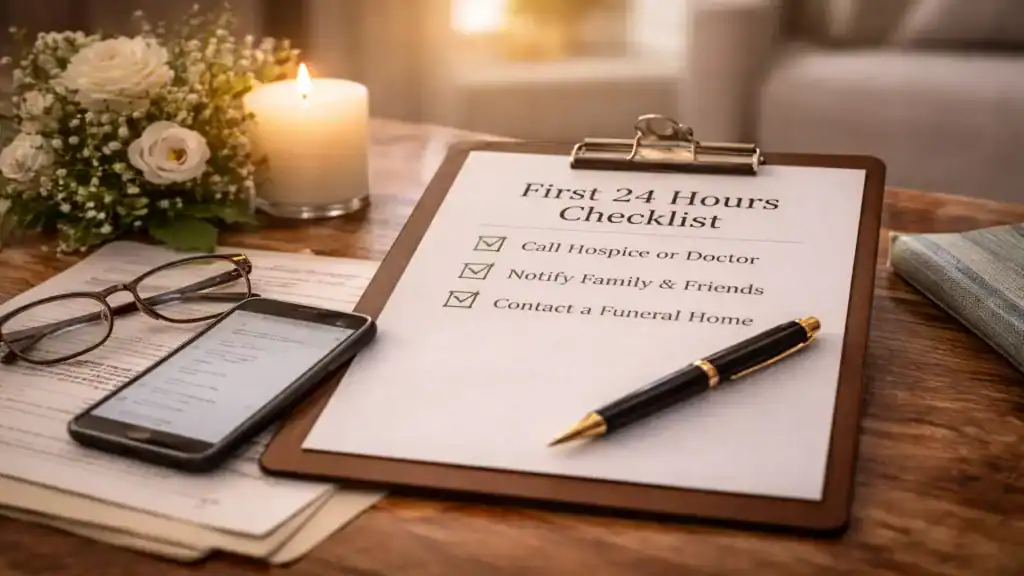
Quick Facts: Funeral Costs in Virginia (2026)
| Service Type | Average Cost | Affordable Option |
|---|---|---|
| Direct Cremation (state average) | $2,515 | From $1,345 (DFS Memorials) |
| Full-Service Cremation | $6,128 | Compare local providers |
| Affordable Burial (casket + service) | $5,176 | Compare local providers |
| Traditional Full-Service Funeral | $8,321 | Compare local providers |
| Green Burial (plot + services) | $3,000–$8,000+ | Cool Spring / Panorama options |
Prices based on data from Funeralocity and DFS Memorials. Actual costs vary by location and provider. Always request a General Price List (GPL) from any funeral home you are considering, as required by the FTC Funeral Rule.
Understanding Your Options: Burial vs Cremation in Virginia
When arranging a funeral in Virginia, you will generally choose between cremation-based services and burial-based services. Virginia families have access to a full range of options to suit every preference and budget, with several important state-specific regulations to understand.
The main service categories include direct cremation (the most affordable option), full-service cremation with a traditional funeral ceremony, affordable burial packages, traditional full-service funerals, and green burial options. Each option offers different levels of ceremony, family involvement, and cost. Below, we break down each option with Virginia-specific pricing and considerations.
For a detailed comparison of cremation prices across Virginia cities, visit our Cremation Costs in Virginia guide.
Direct Cremation in Virginia
Direct cremation is the most affordable funeral option in Virginia, with the state average at $2,515. Significant savings are available — DFS Memorials providers in Virginia offer direct cremation for as low as $1,345, well below the state average.
With a direct cremation, the deceased is taken into the care of the cremation provider, all necessary legal paperwork (including the cremation authorization form and death certificate) is completed, and the cremation proceeds without a formal service. There is no viewing, visitation, or funeral ceremony — the cremated remains are returned to the family in a temporary container, typically within 7–10 business days.

Direct cremation is an excellent choice for families who want a simple, dignified disposition without the expense of a formal service. Many families choose to hold their own memorial gathering at a later date, whether at home, at a place of worship, or at a meaningful outdoor location. This gives you the flexibility to plan a personalized tribute on your own timeline and budget.
A direct cremation package typically includes the basic services of the funeral director, transfer of the deceased to the cremation facility, completion of all legal paperwork, cremation, and a temporary container for the cremated remains. Third-party fees, such as the death certificate ($12 in Virginia) and any required permits, are usually added to the base price.
Full-Service Cremation in Virginia

A full-service cremation provides the same ceremonial experience as a traditional funeral — including a visitation, wake, and formal funeral service — but with cremation rather than burial afterward. The average cost for a full-service cremation in Virginia is $6,128.
This option allows the family to hold a viewing or visitation at the funeral home, where friends and family can pay their respects. A formal funeral service follows, often at the funeral home chapel or a place of worship. After the ceremony, the deceased is transferred to the crematory for cremation, and the cremated remains are returned to the family.
Many funeral homes in Virginia offer rental caskets specifically for cremation services, which can significantly reduce costs compared to purchasing a casket outright. This allows families to have the traditional open-casket experience during visitation and the service without the full cost of a burial casket. Full-service cremation eliminates the need for a cemetery plot, burial vault, and headstone — which can save thousands of dollars compared to a traditional burial.
Traditional Burial in Virginia
A traditional full-service funeral with burial remains the most comprehensive — and most expensive — option in Virginia, averaging $8,321 or more. This figure includes the funeral director’s services, embalming, use of the funeral home facilities for visitation and ceremony, a casket, and a hearse, but typically does not include cemetery costs such as the plot, opening and closing fees, or a grave marker.
A more affordable burial option in Virginia averages around $5,176, which typically includes a basic casket, essential funeral director services, and a simplified service. This can be a good middle ground for families who want a burial with some level of ceremony but need to manage costs carefully.
Virginia law does not require embalming unless the body is to be kept unrefrigerated. If the body will be kept for more than 24 hours, refrigeration is required. Many funeral homes will require embalming if an open-casket visitation is planned, so it is important to discuss this with the funeral director up front. Under the FTC Funeral Rule, funeral homes cannot tell you that embalming is required by law when it is not.
Green Burial in Virginia
Virginia is home to several natural burial grounds offering environmentally friendly alternatives to traditional burial. Green burial eliminates embalming, uses biodegradable caskets or shrouds, and respects the natural environment.
Costs typically range from $3,000 to $8,000+, depending on the cemetery and services selected.
Cool Spring Natural Cemetery (Berryville) — Located in Clarke County, this woodland burial ground offers serene natural settings. Woodland rest plots start at $4,350, while the Circle of Silence section reaches $8,000. The cemetery emphasizes environmental stewardship and uses native plantings for memorialization.
Panorama Natural Burial (Rappahannock County) — This natural burial ground offers environmentally conscious disposition in a pastoral setting. Plot and services range from $4,000 to $6,000, with an additional $1,600 interment fee. Panorama focuses on conservation and allows families to participate meaningfully in the burial process.
Green burial is an excellent choice for families with environmental values or those seeking a more personal, intimate funeral experience. Unlike traditional burial, green burial typically does not use vaults, concrete liners, or metal caskets — allowing the body to return naturally to the earth over time. Some families find this more meaningful and less costly than conventional options.
Virginia Funeral Laws and Regulations

Virginia has several important funeral laws that families should understand when making arrangements. Knowing your rights can help you avoid unnecessary expenses and ensure your wishes — or those of your loved one — are properly honored.
No mandatory waiting period before cremation: Virginia does not require a waiting period before cremation, unlike many other states. Once proper authorization is obtained, cremation can occur promptly.
Casket restrictions — Virginia is unique: Virginia RESTRICTS third-party casket sales. Unlike most states, caskets must be purchased from licensed funeral homes. This is an unusual and important regulation that limits consumers’ options for cost-saving casket purchases. This makes green burial or cremation even more attractive as cost-saving alternatives.
Home funerals are legal: Virginia permits families to handle funeral arrangements without a licensed funeral director under certain circumstances, including home funerals and alternative disposition methods. Families may arrange simple ceremonies or direct disposition without professional involvement, though death certificate processing and certain permits may still be required.
Embalming not required by law: Embalming is not required by Virginia law unless the body is kept unrefrigerated. Refrigeration is required for bodies stored for more than 24 hours. Families should clearly discuss embalming needs with their funeral director.
Death certificate filing deadline: The death certificate must be filed within 3 days of death (Virginia Code §32.1-263). The funeral home typically handles this, but it is important to understand this timeline.
Death certificate cost: Death certificate copies in Virginia cost $12 each. We recommend ordering at least 10–12 certified copies, as most institutions require originals.
Regulatory oversight: The Virginia Board of Funeral Directors & Embalmers (9960 Mayland Drive, Suite 300, Henrico, VA 23233, Phone: (804) 367-4479) regulates the funeral industry and handles consumer complaints.
Caskets: Options, Pricing, and Savings in Virginia
The casket is often the single most expensive item in a traditional funeral. However, Virginia families face a unique challenge: Virginia law RESTRICTS third-party casket sales, meaning caskets must be purchased from licensed funeral homes rather than independent retailers. This is highly unusual and limits the consumer cost-saving options available in other states.
Because casket prices cannot be shopped from third-party vendors, it becomes even more important to compare prices between Virginia funeral homes. A standard casket from a Virginia funeral home can cost anywhere from $2,000 to $6,000 or more, depending on the material and quality.
For families seeking cost savings, the best options are:
Choose cremation instead: Direct cremation eliminates the casket expense entirely, saving thousands of dollars.
Use a rental casket for cremation services: If you want a visitation with a ceremony before cremation, ask about renting a casket, which costs far less than buying one outright.
Compare funeral homes: Prices for identical caskets can vary significantly between funeral homes. Always request a detailed General Price List (GPL) including casket options and pricing.
Consider green burial: Green burial often uses simple wooden or biodegradable containers, which are less expensive than traditional caskets.
Cemetery Costs in Virginia
In addition to casket and funeral service costs, traditional burial requires cemetery expenses. Cemetery costs typically include the plot/space, opening and closing fees (digging the grave and closing it after burial), and a grave marker or monument.
Cemetery plot: A cemetery plot in Virginia typically costs $500 to $3,000 or more, depending on the location and cemetery. Some cemeteries offer discounted pre-need pricing. Already own a plot you no longer need? See our guide to buying and selling cemetery plots.
Opening and closing: These fees typically range from $300 to $1,000 combined, covering the labor to prepare the grave and close it after burial.
Grave marker/headstone: Basic markers can cost as little as $300–$500, while custom headstones can reach several thousand dollars.
Cremation plots: Some cemeteries offer smaller cremation plots (for the urn) at lower cost than full burial plots — typically $200–$1,500 depending on location.
National and state veterans cemeteries: Virginia is home to six National Cemeteries (Quantico, Culpeper, Hampton, Richmond, Staunton, and Winchester) and three state veterans cemeteries (Albert G. Horton Jr. Memorial Veterans Cemetery in Suffolk, Virginia Veterans Cemetery in Amelia, and Southwest Virginia Veterans Cemetery in Dublin). Veterans and their families may be eligible for free or low-cost burial in these facilities.
Pre-Planning Your Funeral in Virginia
Preplanning a funeral allows you to make thoughtful decisions about your own arrangements or those of a family member ahead of time, without the emotional and time pressure of immediate need. Pre-planning offers several advantages:
Lock in prices: Preneed funeral contracts in Virginia let you set costs now and protect against future inflation. Be sure to understand whether your contract is revocable or irrevocable.
Document your wishes: A funeral plan ensures your preferences regarding disposition, service style, and memorial options are clearly documented and honored.
Reduce family burden: Your family will have clear guidance during an emotional time, reducing stress and potential conflict.
Understand your options: Pre-planning gives you time to research providers, compare prices, and explore options like green burial or donation without the pressure of time.
Virginia allows preneed contracts, which must be managed by agents with valid certificates of authority. All funds must be held in trust. If a contract is canceled, the net purchase price must be refunded. Discuss the revocable vs. irrevocable nature of any contract with your funeral director.
Learn more about planning ahead in our Funeral Pre-Planning guide.
End-of-Life Support & Death Doula Services in Virginia

A death doula is a trained professional who provides emotional, physical, and educational support to individuals facing end-of-life care and their families. Death doulas are distinct from hospice workers — they focus on comfort, presence, and helping families navigate the dying process and funeral planning.
Death doulas in Virginia can assist with:
Pre-death support: Helping individuals prepare for their own death or that of a loved one through conversations, documentation, and emotional support.
End-of-life companionship: Providing presence and comfort during the final stages of life.
Funeral planning assistance: Helping families understand options, compare providers, and organize arrangements.
Home funeral support: Assisting families who choose to care for their own deceased before disposition.
Grief support: Offering continuity of care after death for the bereaved family.
Find a death doula in Virginia through our Death Doula Directory.
Veteran Benefits and Military Funeral Honors in Virginia

Virginia is home to six National Veterans’ Cemeteries (Quantico National Cemetery in Triangle, Culpeper National Cemetery, Hampton National Cemetery, Richmond National Cemetery, Staunton National Cemetery, and Winchester National Cemetery) and three state veterans cemeteries (Albert G. Horton Jr. Memorial Veterans Cemetery in Suffolk, Virginia Veterans Cemetery in Amelia, and Southwest Virginia Veterans Cemetery in Dublin). Veterans and their families may be eligible for burial benefits and military funeral honors.
All eligible veterans are entitled to military funeral honors, which include, at a minimum, the folding and presentation of the American flag and the playing of Taps. Many families arrange for full military honors ceremonies through their funeral director in coordination with local military installations and veterans service organizations.
The VA burial allowance for 2026 is up to $2,000 for service-connected deaths and a lesser amount for non-service-connected deaths. The VA also provides a $948 plot allowance for veterans buried in private cemeteries (if not buried in a VA or state veterans cemetery). Contact the VA at 1-800-827-1000 or visit www.va.gov/burials-memorials for full details.
Body Donation in Virginia
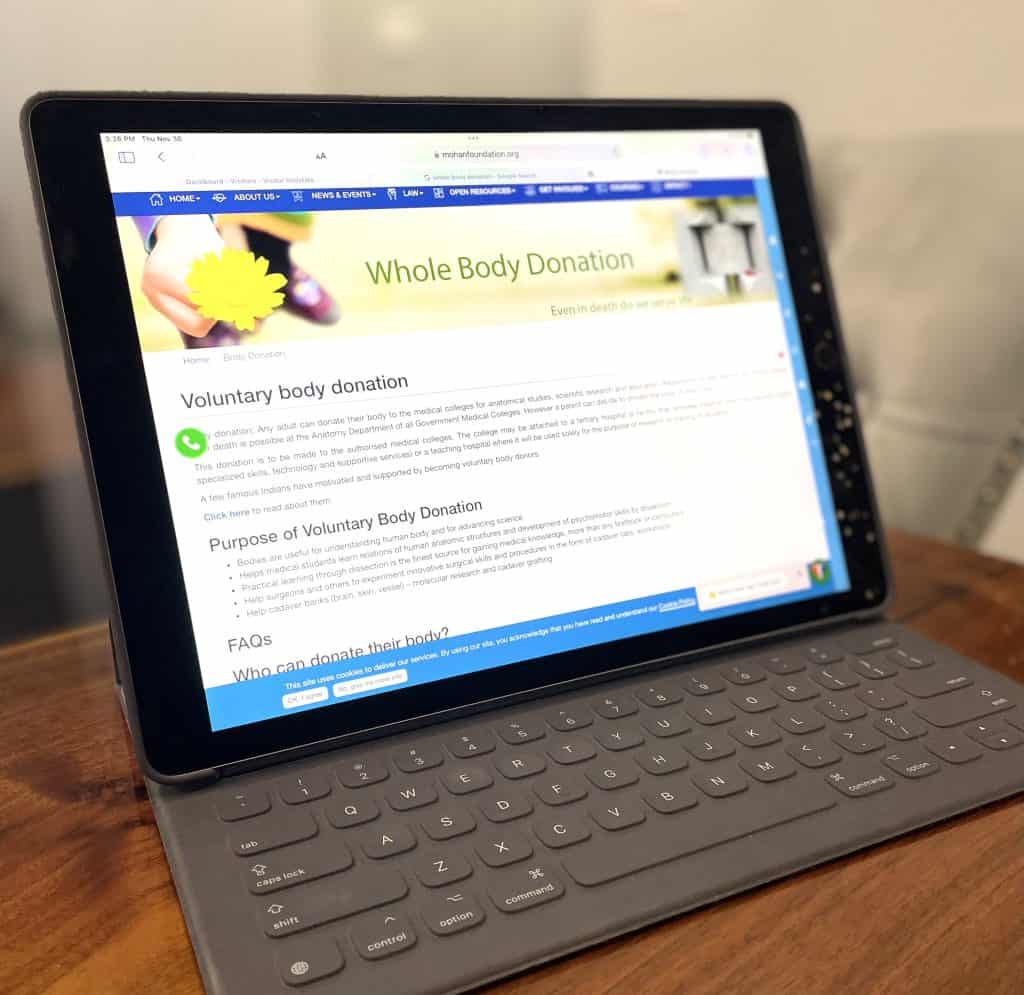
Donating your body to science can serve both as a meaningful gift to medical education and research and as an alternative to traditional funeral expenses. In most cases, the body donation organization handles the collection of the deceased, the medical donation process, cremation of the remains, and the return of the cremated remains to the family — often at no cost.
Virginia has several institutions that offer anatomical bequest programs:
Virginia State Anatomical Program — Coordinates whole-body donations for medical education and research across Virginia.
University of Virginia — The university’s medical school accepts anatomical donations for training medical professionals.
Virginia Commonwealth University (MCV) — VCU’s medical school accepts body donations for medical education.
Eastern Virginia Medical School — EVMS in Norfolk accepts anatomical donations for medical training.
You need to contact the institution directly to determine their donor acceptance criteria. Not all donors are accepted at the time of death, and you may not have much control over the timeframe for cremation and return of the donated remains. For this reason, it is advisable to have a backup funeral plan in place if body donation is your primary choice.
Check out our Body Donation section for more information on whole-body donation programs.
Ash Scattering and Memorial Options After Cremation
After cremation, Virginia families have a wide range of options for memorializing their loved one’s cremated remains. Virginia law permits ashes to be scattered respectfully in many settings.
Scatter on private property: With the owner’s permission, ashes may be scattered on private land.
Scatter in public waterways: Ashes may be scattered in rivers, lakes, and coastal waters according to EPA guidelines. For sea scattering off Virginia’s coast, contact EPA Region 3 (which oversees Virginia): Renee Searfoss, EPA Region 3, 1650 Arch Street, Philadelphia, PA 19103, (215) 814-2137. Scattering must occur at least 3 nautical miles offshore.
Scatter in state parks: Many Virginia state parks permit ash scattering with advance notice. Contact the specific park for their requirements.
Keep the cremation urn at home: Many families choose to keep the cremated remains in a decorative urn displayed at home. This provides a comforting presence and a personal memorial space.
Cemetery burial or columbarium: Cremated remains can be buried in a cemetery plot or placed in a columbarium niche. Many Virginia cemeteries offer dedicated memorial scattering gardens with plaques or benches.
Creative memorialization: Modern options include memorial jewelry incorporating a small amount of ashes, memorial glass art, planting a memorial tree with a biodegradable urn, or other lasting tributes. These options allow families to create personalized memories.
Visit our Ash Scattering guide for more information on scattering options and considerations.
Death Certificates in Virginia

A death certificate is a critical legal document that you will need multiple copies of to settle the deceased’s affairs — including closing bank accounts, filing insurance claims, transferring property, and claiming benefits. In Virginia, the fee for a death certificate is $12.00 per copy.
The funeral home typically prepares and files the death certificate with the Virginia Department of Health’s Division of Vital Records. The death certificate must be filed within 3 days of death (Virginia Code §32.1-263). The cause of death section must be completed and certified by a medical professional. Certified copies can be obtained from the Virginia Department of Health.
You can order death certificates in person, by mail, or online. We recommend ordering at least 10–12 certified copies, as most institutions (banks, insurance companies, government agencies, the Social Security Administration) require an original certified copy rather than a photocopy.
Financial Assistance for Funeral Costs in Virginia
Several federal, state, and community resources may be available to Virginia families who need financial help with funeral expenses.
Social Security lump-sum death benefit: If the deceased was eligible for Social Security benefits, the surviving spouse or dependent child may be eligible for a one-time $255 lump-sum death benefit. Contact the Social Security Administration at 1-800-772-1213 to apply.
Veterans benefits: Eligible veterans may qualify for a VA burial allowance of up to $2,000 for service-connected deaths, plus a plot allowance for burial in a private cemetery. See the Veteran Benefits section above for full details.
Virginia indigent burial assistance: Virginia has programs to assist individuals with very limited incomes who cannot afford funeral expenses. Contact your local county social services department to learn about eligibility and how to apply.
Crime victims’ compensation: If the death was the result of a violent crime, Virginia’s Crime Victims Fund may provide financial assistance for funeral and burial expenses. Contact the Virginia Office of the Attorney General.
FEMA funeral assistance: In the event of a federally declared disaster, FEMA may provide funeral assistance to families who lost a loved one as a direct result of the disaster.
Community and charitable resources: Local churches, community organizations, and charitable foundations in Virginia may offer emergency funeral assistance. Crowdfunding through platforms like GoFundMe has also become a common way for families to raise funds for funeral expenses.
Read our comprehensive guide — What to do if I cannot afford a funeral for more options and resources.
Filing a Complaint About a Funeral Home in Virginia
If you have a complaint about a funeral home or cremation provider in Virginia that you cannot resolve directly with the business, you have several options for filing a formal complaint.
The Virginia Board of Funeral Directors & Embalmers oversees the licensing and regulation of funeral professionals and establishments in the state. You can file a complaint in writing to:
Virginia Board of Funeral Directors & Embalmers
9960 Mayland Drive, Suite 300
Henrico, VA 23233
Phone: (804) 367-4479
The Board can investigate and take action if it finds sufficient evidence that a funeral professional has violated Virginia funeral legislation. However, the Board does not have jurisdiction over the amount of fees charged — only the mandated disclosure of fees as required by the FTC Funeral Rule.
For consumer support and fee disputes, you may file a complaint with the Federal Trade Commission (FTC) at ftc.gov or call 1-877-FTC-HELP (382-4357). You can also contact the Virginia Attorney General’s Office — Consumer Protection Section for complaints about funeral home practices or pricing issues.
Conclusion ~ Planning Ahead & Understanding Your Options Saves Money & Emotional Decisions
Arranging a funeral in Virginia doesn’t have to be overwhelming or financially devastating. By understanding your options — from direct cremation starting at $1,345 to full traditional services averaging $8,321 — you can make informed decisions that honor your loved one while respecting your budget.
Virginia’s unique casket restriction makes cremation, green burial, and pre-planning even more valuable strategies for cost savings. With comprehensive consumer protections under the FTC Funeral Rule and the support of the Virginia Board of Funeral Directors & Embalmers, Virginia families have strong legal protections. We strongly recommend comparing prices between multiple funeral homes, requesting the General Price List from any provider you are considering, and exploring all available financial assistance programs.
If you have any questions about funeral services or costs in Virginia that we have not covered in this guide, please get in touch with us. We are here to assist you.
Resources and Related Guides
- Funeral Flowers: What to Send, Costs & Etiquette
- Cremation Costs in Virginia — City-by-City Price Comparison
- Find Funeral Homes in Virginia
- DFS Memorials — Affordable Cremation in Virginia
- The FTC Funeral Rule — Your Consumer Rights
- Understanding the General Price List (GPL)
- Body Donation Programs in the United States
- Ash Scattering Guide
- Death Doula Directory — Virginia
- Do-It-Yourself Funerals and Home Funerals
- Green Funerals and Natural Burial
- Funeral Pre-Planning Guide
- Where is Aquamation Legal? — States That Have Legalized Aquamation
- Human Composting — A Guide to Natural Organic Reduction
- VA Burial Benefits and Memorial Items
- What to Do If You Can’t Afford a Funeral


