Funeral Costs & Options in Oregon: 2026 Guide
End of Life Planning Guide | By Sara Marsden-Ille | Updated April 2026
Planning a funeral in Oregon involves understanding state-specific laws, comparing costs across different service types, and knowing the full range of options available to you. Whether you are making arrangements at the time of need or planning ahead, this comprehensive guide covers everything from direct cremation to traditional burial, aquamation, human composting, Oregon’s unique funeral regulations, pre-planning strategies, and financial assistance programs.
Oregon has one of the highest cremation rates in the nation at approximately 78%, reflecting the state’s progressive approach to end-of-life care and environmental consciousness. Oregon is also notable for being one of the first states to legalize both aquamation and human composting (natural organic reduction), giving families more disposition choices than most states. With competitive pricing among providers statewide, comparing costs is essential to finding the best value for your family’s needs.
Key Takeaways – Funeral & Cremation Planning in Oregon
- Funeral costs in Oregon vary widely: Traditional funerals average $7,551, while direct cremation services start at $995 through DFS Memorials, well below the state average of $1,328.
- Direct cremation is the most affordable option: Many families choose cremation first and hold a memorial or celebration of life later at a church, home, park, or other meaningful venue.
- Oregon does not require a funeral director: Families can arrange cremations directly with crematories, conduct home funerals, and handle paperwork independently — potentially saving thousands on professional service fees.
- Aquamation and human composting are both legal: Oregon is one of a handful of states offering water cremation (aquamation) at $1,895–$2,295 and natural organic reduction (NOR) at $4,950–$7,000 as eco-friendly alternatives.
- Scattering ashes is widely permitted: Cremated remains may be scattered on private property with permission, on national forest land, in many state parks, and at sea (3+ nautical miles offshore).
- Green burial options are growing: Oregon has designated natural burial grounds offering environmentally friendly burial without embalming or vaults, typically costing $3,500–$4,500.
- Comparing funeral providers can save thousands: Prices for identical services can vary significantly between funeral homes and cremation providers across Oregon.

Quick Facts: Funeral Costs in Oregon (2026)
| Service Type | Average Cost | Affordable Option |
|---|---|---|
| Direct Cremation (state average) | $1,328 | From $995 (DFS Memorials) |
| Full-Service Cremation | $5,163 | Compare local providers |
| Affordable Burial (casket + service) | $4,482 | Compare local providers |
| Traditional Full-Service Funeral | $7,551+ | Compare local providers |
| Green Burial | $3,500–$4,500 | Compare local providers |
| Aquamation (Water Cremation) | $1,895–$2,295 | Compare local providers |
| Human Composting (NOR) | $4,950–$7,000 | Compare local providers |
Prices based on data from Funeralocity and DFS Memorials. Actual costs vary by location and provider. Always request a General Price List (GPL) from any funeral home you are considering, as required by the FTC Funeral Rule.
Understanding Your Options: Burial vs Cremation in Oregon
With a cremation rate of approximately 78%, Oregon is one of the top cremation states in the country. However, families in Oregon have an unusually broad range of disposition options, including traditional burial, direct cremation, full-service cremation, green burial, aquamation (water cremation), and human composting (natural organic reduction).
Understanding the cost differences and what each option involves can help you make the best decision for your family.
The most significant cost factor is typically the choice between cremation and burial. Cremation eliminates cemetery costs (plot, opening/closing, vault, headstone) that can add $2,000–$5,000 or more to a burial. Beyond the basic disposition method, costs are driven by the level of ceremony and service, the choice of casket or container, and any add-on services such as flowers, music, catering, or printed programs.
For detailed cremation pricing by city and region throughout Oregon, as well as comparisons of cremation service providers, visit our comprehensive guide to cremation costs in Oregon.
Direct Cremation in Oregon
Direct cremation is the most affordable funeral option in Oregon, with the state average at $1,328. Significant savings are available — DFS Memorials providers in Oregon offer direct cremation for as low as $995, well below the state average.
With a direct cremation, the deceased is taken into the care of the cremation provider, all necessary legal paperwork (including the cremation authorization form and death certificate) is completed, and the cremation proceeds after the mandatory 24-hour waiting period. There is no viewing, visitation, or funeral ceremony — the cremated remains are returned to the family in a temporary container, typically within 3–5 business days.
Direct cremation is an excellent choice for families who want a simple, dignified disposition without the expense of a formal service. Many families choose to hold their own memorial gathering at a later date, whether at home, at a place of worship, or at a meaningful outdoor location in Oregon’s stunning natural landscape.
This gives you the flexibility to plan a personalized tribute on your own timeline and budget.
A direct cremation package typically includes the basic services of the cremation provider, transfer of the deceased to the cremation facility, completion of all legal paperwork, cremation, and a temporary container for the cremated remains. Third-party fees, such as the cremation permit ($7 in Oregon) and copies of the death certificate, are usually added to the base price. DFS Memorials can be reached at (971) 233-4848 or (541) 209-6077.

Full-Service Cremation in Oregon
A full-service cremation provides the same ceremonial experience as a traditional funeral — including a visitation, wake, and formal funeral service — but with cremation rather than burial afterward. The average cost for a full-service cremation in Oregon is $5,163.
This option allows the family to hold a viewing or visitation at the funeral home, where friends and family can pay their respects. A formal funeral service follows, often at the funeral home chapel or a place of worship. After the ceremony, the deceased is transferred to the crematory for cremation, and the cremated remains are returned to the family.
Many funeral homes in Oregon offer rental caskets specifically for cremation services, which can significantly reduce costs compared to purchasing a casket outright. This allows families to have the traditional open-casket experience during visitation and the service without the full cost of a burial casket. Full-service cremation eliminates the need for a cemetery plot, burial vault, and headstone — which can save thousands of dollars compared to a traditional burial.
The actual cost will depend on whether you purchase or rent a casket, whether embalming is selected, the type of facility rental you choose, and any additional services or merchandise you select. When comparing cremation funeral services, always ask funeral homes for their General Price List and compare line-item costs.
Traditional Burial in Oregon
A traditional funeral and burial in Oregon averages $7,551, which includes professional funeral director services, embalming, viewing and visitation, a formal funeral service, a casket, and a graveside committal. This does not include cemetery costs (plot, opening/closing, vault, headstone), which can add another $2,000–$5,000 or more.
The traditional funeral provides the most comprehensive ceremonial experience, including a viewing and visitation period, embalming and preparation of the body, a formal funeral service (often at a funeral home chapel or place of worship), and a graveside committal service at the cemetery. This option appeals to families who value formal rituals and traditional approaches to saying goodbye.
For families on a tighter budget, an affordable burial option averages $4,482 in Oregon. This typically includes basic professional services, transportation, a simple casket or burial container, and a graveside committal without the full ceremony of a traditional funeral. One money-saving approach: you are not required by law to purchase a casket from the funeral home. You may purchase a casket from any third-party vendor or supplier, and the funeral home must accept it without charging a handling fee.
Aquamation (Water Cremation) in Oregon

The average cost of water cremation (aquamation) in Oregon typically ranges from $1,895 to $2,295. Aquamation, also called bio-cremation or alkaline hydrolysis, has been legal in Oregon since 2009, making Oregon one of the earliest states to authorize this environmentally friendly disposition method.
Aquamation uses heated water and potassium hydroxide in a pressurized stainless steel vessel to accelerate the natural decomposition process. The remains are reduced to bone mineral (similar in appearance to cremation ashes) and returned to the family. The process takes approximately 4–6 hours and uses significantly less energy than traditional flame cremation, producing no air emissions.
Aquamation is particularly appealing to families with environmental concerns. The resulting bone minerals can be scattered, buried, stored in an urn, or made into jewelry or memorials just like traditional cremation ashes. Cost is comparable to or slightly higher than traditional cremation but significantly lower than burial. Learn more about aquamation and where it’s available.
Human Composting (Natural Organic Reduction) in Oregon
Oregon was among the first states in the nation to legalize natural organic reduction (NOR), commonly known as human composting. Signed into law via Senate Bill 1543, NOR became legal in Oregon effective July 1, 2022. The average cost for human composting in Oregon ranges from $4,950 to $7,000.
NOR involves placing the deceased’s body in a specialized vessel with plant materials (straw, wood chips, alfalfa) where, over approximately 30 days, natural decomposition converts the body into nutrient-rich soil. The resulting soil (approximately one cubic yard for an adult) can be returned to families for use in gardens, houseplants, or landscape restoration, or donated to environmental restoration organizations.
While NOR is the most expensive disposition option, many families view it as a meaningful way to contribute to environmental restoration or create a living memorial. The process is regulated by the Oregon Health Authority and must be conducted at licensed NOR facilities. Read our comprehensive guide to natural organic reduction (human composting).
Green Burial in Oregon
Green burial, also called natural or eco-friendly burial, is an environmentally conscious disposition option growing in popularity across Oregon. The average cost for a green burial in Oregon ranges from $3,500 to $4,500. Green burial involves burying the deceased in biodegradable containers (such as shrouds, woven caskets, or cardboard caskets) in designated natural burial grounds, typically without embalming, allowing the body to naturally decompose and return to the earth.
Green burial practices align with the values of environmentally conscious families and typically result in lower costs than traditional burial, since the practice eliminates or minimizes the use of expensive materials and embalming chemicals. Green burial grounds in Oregon emphasize conservation, native plantings, and preservation of natural landscapes. Some green cemeteries mark graves with natural stone markers or GPS coordinates rather than traditional headstones.
Benefits of green burial include minimal environmental impact, lower costs, natural decomposition, and a meaningful return to nature. Home burial is also legal in Oregon, subject to county zoning regulations. Families interested in green burial should ask funeral directors specifically about green burial options and green burial-certified cemeteries in their area. Read more about green burial practices here (note that specific cemetery names and regulations vary by state).
Oregon Funeral Laws and Regulations

Oregon has progressive and permissive funeral and cremation laws that give families significant control over the end-of-life process. Unlike many states, Oregon does not require a funeral director to be involved in the disposition process. This means families can arrange cremations directly with crematories, conduct home funerals, and handle certain paperwork independently, potentially reducing professional service fees substantially.
24-Hour Waiting Period: Oregon law requires a mandatory 24-hour waiting period after death before cremation can proceed. In practice, the entire cremation process (from death to returning remains to the family) typically takes 3–5 business days due to paperwork and scheduling.
Cremation Authorization Form: A Cremation Authorization Form must be signed by the legal next of kin authorizing the cremation. This is a critical legal document that prevents unauthorized cremations.
Cremation Permit: The county coroner must issue a cremation permit before cremation can proceed. The permit fee is typically $7.00.
No Casket Required: Oregon law does not require a casket for cremation. Only a suitable rigid container is required, typically a reinforced cardboard or plywood cremation container. Rental caskets are available if families wish to hold a funeral service before cremation.
Embalming Regulations: Embalming is not required by Oregon law unless the body is not refrigerated within 24 hours of death, or if the body is removed from refrigeration for public viewing for more than 6 hours. The Federal Trade Commission’s Funeral Rule protects consumers and requires funeral homes to provide General Price Lists and allow consumers to purchase items separately.
Regulation: The Oregon Mortuary and Cemetery Board regulates and licenses funeral directors, mortuaries, crematories, and cemeteries in Oregon. Licensed providers must comply with Oregon Revised Statutes governing practice, record-keeping, and consumer protection.
Caskets: Options, Pricing, and Savings in Oregon
The casket is often the single most expensive item in a funeral, ranging from $800 for a basic cloth-covered wood casket to $10,000 or more for premium hardwood or metal models. Understanding your options can lead to substantial savings.
Under the FTC Funeral Rule, you have the right to purchase a casket from any supplier — not just the funeral home. Online casket retailers and warehouse stores often offer significant discounts compared to funeral home prices. The funeral home must accept a casket purchased elsewhere and cannot charge a handling or acceptance fee.
For cremation services, many funeral homes offer rental caskets that allow families to have the traditional viewing and service experience without the full cost of purchasing a casket. The body is transferred to a simple cremation container for the actual cremation. This can save families $2,000–$5,000 or more compared to purchasing a casket outright.
Cemetery Costs in Oregon
Cemetery costs are separate from funeral home charges and can add $2,000–$5,000 or more to the total cost of a burial. Key cemetery expenses include the burial plot ($500–$5,000+ depending on location and cemetery type), opening and closing the grave ($800–$1,500), a burial vault or grave liner ($1,000–$3,000, often required by the cemetery but not by Oregon law), and a headstone or grave marker ($500–$3,000+).
If your family already owns a cemetery plot, you eliminate a significant expense. When comparing cemeteries, always ask for a complete price list that includes all fees — some cemeteries charge additional fees for weekend or holiday services, perpetual care, and administrative processing. Oregon does not require a burial vault by law, though many cemeteries require one for maintenance purposes.
Pre-Planning Your Funeral in Oregon
Pre-planning your funeral or cremation in advance offers significant benefits: it relieves your surviving family from the stress of making end-of-life decisions during grief, ensures your wishes are honored, and allows you to compare options and costs carefully.
Pre-Planning Options: You can make pre-need funeral arrangements directly with a funeral home or crematory, documenting your wishes and preferences. You can also purchase funeral insurance or burial insurance. Some families choose to set aside funds in a POD (Payable On Death) account or Totten Trust, which allows funds to pass directly to designated beneficiaries outside of probate.
Pre-Need Contracts in Oregon: If you enter a pre-need contract with a funeral home, check whether the contract is “guaranteed” (specific prices locked in regardless of inflation) or “non-guaranteed” (prices may change). Money placed in pre-need trusts must be reported annually to the Oregon State Department of Finance and Corporate Securities Division [Oregon Revised Statutes 97.943(8)].
Financial Considerations: While funeral homes often promote pre-planning as a way to “lock in today’s prices,” Oregon’s competitive cremation market means prices have been dropping in many areas. Alternatives such as POD accounts, life insurance, or simply documenting your wishes and setting aside funds give you more flexibility. Read our comprehensive pre-planning guide for more information.
End-of-Life Support & Death Doula Services in Oregon

Death doulas, also known as end-of-life doulas or death care guides, are trained professionals who provide emotional, spiritual, and practical support to individuals and families preparing for death and the time immediately following. Death doulas differ from hospice nurses or medical professionals; they focus on helping families navigate end-of-life decisions, create meaningful rituals, and arrange alternative disposition options like home funerals.
Death Doula Services: Death doulas can help with life review and legacy-building conversations, planning meaningful funeral or memorial ceremonies, home funeral planning and coordination, education about disposition options (including aquamation, human composting, green burial), emotional and spiritual support during grief, assistance with practical tasks, and advocacy for families’ wishes and preferences.
Finding a Death Doula in Oregon: Visit our death doula directory for Oregon to find trained death doulas and end-of-life support professionals in your area. Death doulas are particularly valuable for families interested in alternative disposition options, home funerals, or who want personalized support beyond what traditional funeral homes provide.
Veteran Benefits and Military Funeral Honors in Oregon

Veterans who served honorably in the U.S. military are entitled to certain funeral and burial benefits, regardless of whether the death is service-related. These benefits can significantly reduce funeral and burial costs for veteran families.
Veterans’ Burial Benefits: Eligible veterans receive: a free gravesite in a VA National Cemetery (no burial fees), a free grave marker or headstone, a U.S. flag for draping the casket, and a military honor guard for the graveside service, if available.
VA Cemeteries in Oregon: Oregon has three VA National Cemeteries: Willamette National Cemetery (near Portland), Eagle Point National Cemetery (near Medford), and Roseburg National Cemetery. Willamette and Eagle Point accept both casketed remains and cremated remains. Roseburg National Cemetery accepts cremated remains only.
How to Claim Benefits: To claim veterans’ benefits, a copy of the veteran’s DD214 discharge papers is required. The funeral director or your family can help file the paperwork with the VA. Veterans may also be eligible for additional benefits through the VA Burial Allowance program, which provides partial reimbursement for funeral and burial expenses.
Body Donation in Oregon
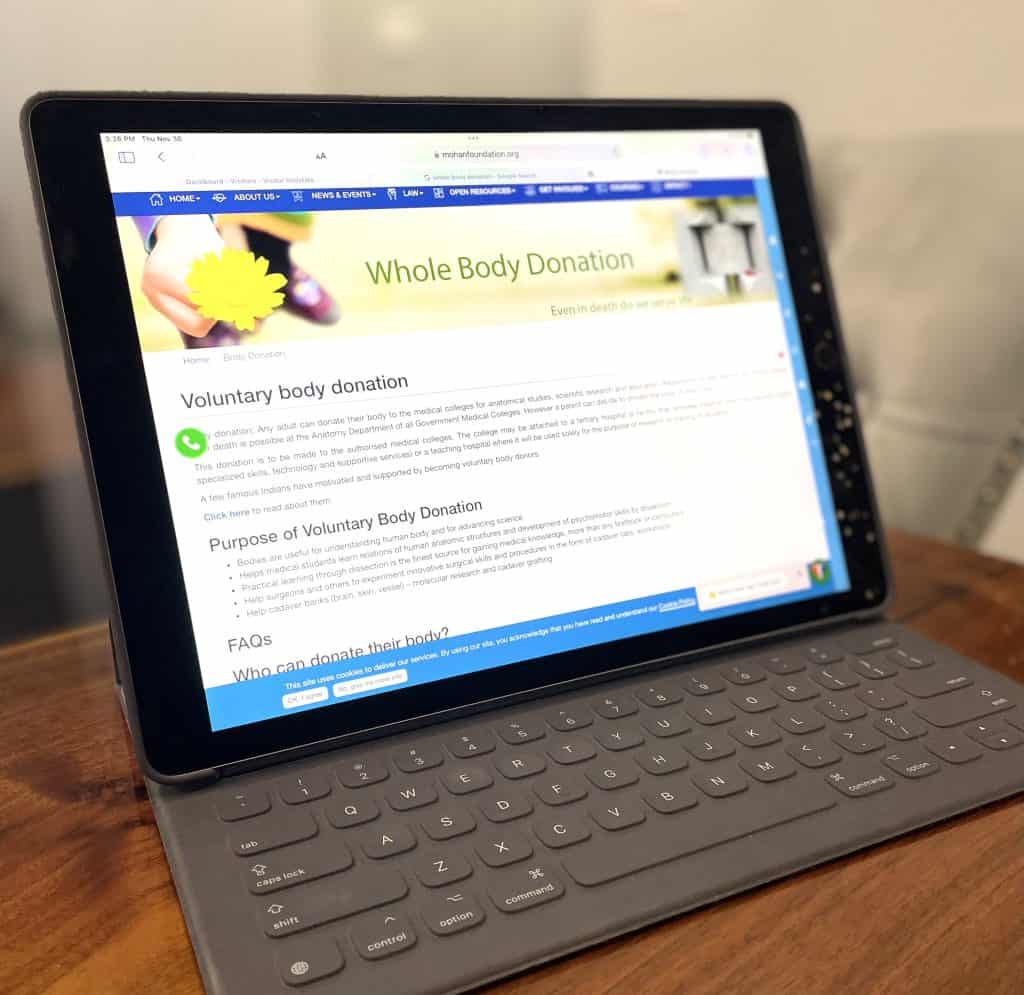
Donating your body to medical science and research is a meaningful way to contribute to medical education while eliminating funeral and cremation costs. Families who choose body donation typically receive free cremation services after the donation period ends.
Body Donation Organizations in Oregon: MedCure, based in Portland, is the primary whole-body donation organization serving Oregon. MedCure handles all arrangements, transportation, and cremation after the donation period concludes (typically 1–2 years). Oregon Health & Science University (OHSU) in Portland also operates a body donation program for medical education and research.
How Body Donation Works: You can register your intention with MedCure or OHSU in advance. Upon death, the organization arranges transportation, facilitates the donation, and subsequently returns the cremated remains to the family. There are no costs to the family. Learn more about body donation to science and research.
Ash Scattering and Memorial Options After Cremation
One major advantage of cremation is the flexibility in memorialization. Oregon law is quite permissive regarding ash scattering, and there are many beautiful locations throughout the state where ashes can be scattered.
Private Property: You may scatter ashes on private property with the owner’s permission. This is often done in family gardens, on family land, or at a loved one’s favorite outdoor spot.
National Forests: The U.S. Forest Service allows ash scattering on national forest lands in Oregon without a permit, as cremated remains are sterile organic matter that poses no environmental threat.
State Parks: Many Oregon state parks allow ash scattering. Always check with the specific park office before scattering, as some parks have designated scattering areas or restrictions.
Sea Scattering: Oregon is in EPA Region 10 (Pacific Northwest). Families wishing to scatter ashes at sea must go at least 3 nautical miles offshore. Charter services are available throughout Oregon’s coastal communities, typically costing around $175. Read our complete guide to ash scattering.
Death Certificates in Oregon

A death certificate is an essential legal document required to settle a person’s estate, file insurance claims, access bank accounts, and complete numerous other administrative tasks. In Oregon, the death certificate must be filed within 5 days after death and before cremation or burial takes place (Oregon Statute Section 432.307).
Cost of Certified Copies: The cost varies by method: in-person ($20–$25), mail ($22–$25), online ($25), or expedited ($36.50). Each additional certified copy costs approximately $15.00. It’s common to order 5–10 copies as many institutions require original certified copies.
Processing Times: Certified copies are typically available 7–10 days after death in the Portland Metro Area, but may take up to 2 weeks outside that area. In-person requests can typically be filled within 40 minutes. Online orders take 2 days to process, then shipping time.
Financial Assistance for Funeral Costs in Oregon
If you are unable to afford funeral costs, limited financial assistance is available in Oregon. Assistance programs and eligibility requirements vary by county.
County Pauper Burial Assistance: Oregon counties provide limited pauper burial assistance for individuals with no funds and no family able to pay. If a county determines that an individual is indigent, the county coroner may arrange disposition (typically the least expensive option) and the county pays a fixed amount. The actual amount varies by county.
Cost-Saving Alternatives: Direct cremation is the least expensive option and is often selected for indigent individuals. No funeral director is required by law in Oregon, which means you can contact crematories directly. Body donation eliminates all costs. Home funerals or simple memorial services eliminate professional service charges and facility rental costs.
Filing a Complaint About a Funeral Home in Oregon
If you have a complaint about a funeral home that you cannot resolve directly, you can file a formal complaint with the state regulatory board.
Oregon Mortuary and Cemetery Board: The Board regulates and licenses funeral directors, mortuaries, crematories, and cemeteries in Oregon. The Board investigates complaints regarding unlicensed practice, unethical conduct, violations of consumer protection regulations, and other violations of funeral and cemetery laws.
Filing a Complaint: Written complaints can be filed with the Oregon Mortuary and Cemetery Board at: 800 NE Oregon Street, Suite 430, Portland, OR 97232. Phone: (971) 673-1500. The Oregon Cremation Alliance, an affiliate of the Funeral Consumers Alliance, is another consumer resource for questions about cremation practices and consumer protections in Oregon.
Additional Oregon Funeral Planning Resources: Browse our directory of funeral homes throughout Oregon to find licensed providers in your area. Visit our Portland funeral guide for Portland-specific information. View our directory of medical examiners’ offices in Oregon if you need information about death investigations.
We hope this comprehensive guide has answered your questions about funeral planning, costs, and options in Oregon. Whether you are pre-planning or arranging a funeral for a loved one who has passed, remember that you have choices, that costs can be controlled, and that your family’s preferences and values should guide your decisions.


