As the cost of traditional funerals continues to rise, more families in South Carolina are turning to cremation as a more affordable and flexible alternative. Several different cremation options are available to families, and deciding what type of cremation service is required is important.
Listed below is a breakdown of average & best direct cremation prices by area in South Carolina.
| City | AVERAGE PRICE* | BEST PRICE (DFS) | CALL NOW – DFS |
|---|---|---|---|
| CHARLESTON | $2,837 | $995 | (843) 994-5899 |
| COLUMBIA | $2,006 | $895 | (803) 380-8807 |
| GREENVILLE | $2,437 | $995 | (864) 249-4737 |
| MOUNT PLEASANT | $3,558 | $995 | (843) 994-5899 |
| NORTH CHARLESTON | $2,236 | $995 | (843) 994-5899 |
| ROCK HILL | $1,994 | $995 | (803) 380-8807 |
| SUMMERVILLE | $1,850 | $995 | (843) 994-5899 |
Low-cost direct cremation prices above are offered by DFS Memorials – a network of affordable cremation service providers. Visit DFS Memorials – South Carolina to check other locations.
The most economical service is a direct cremation, in which the deceased is taken into the care of a funeral home/cremation provider, all necessary legal paperwork is completed, and the body is cremated. There is generally no viewing or service with a direct cremation.
What are the different types of cremation service options and costs in South Carolina?
There are 3 main cremation options available to families in South Carolina, and we have outlined the differences below.
⚱️ Direct Cremation
A direct cremation involves the immediate cremation of the deceased without a formal funeral service. This basic cremation service has become popular for its simplicity and cost-effectiveness.
In South Carolina, the average cost for a direct cremation today is $1,942*. However, prices can vary significantly by location, with major metropolitan areas like Columbia generally offering lower costs than rural areas.
A direct cremation service is just $895 in Columbia. Call (803) 380-8807
Read our Columbia, SC funeral & cremation guide.
This discrepancy can be attributed to factors such as increased competition, higher population density, and greater availability of cremation facilities.
🕯️ Cremation Memorial Service
A cremation memorial typically refers to a cremation taking place before a memorial service. The memorial service can be held at the funeral home, chapel, church, place of worship, or at any chosen location. Some families today choose to hold memorial services at community venues. The memorial service will usually be held with the cremation urn present as a focal tribute to the deceased. However, memorial services are also held without the cremated remains present. A memorial can also be held as a life celebration event.
It is not as simple to give an overview of the costs of cremation memorial services, as the ‘variable’ of the memorial service will determine the final cost. Much will depend on whether the memorial service is conducted by the funeral home and other ancillary services. Such as the type of cremation urn selected, flowers, photographs, and other tribute materials.
⛪ Full-Service Cremation Funeral
This type of service is a full-service funeral, with the cremation conducted after the funeral service. Some families want to hold a visitation, wake, or formal funeral ceremony, even if they choose cremation. A viewing, visitation, or vigil can be held at the funeral home. Family and friends can gather for a funeral service, typically with the deceased present. Following the funeral ritual, the deceased is transferred to the crematory for cremation, and the cremation ashes are then returned to the family.
This type of cremation service is like a traditional funeral service, except the deceased is cremated after the ceremony and services, rather than being transferred to the cemetery for burial.
This option enables a family to have all the traditional funeral rituals without the additional expense of a cemetery plot. Or a family may have a cemetery plot where they wish to inter the cremated remains.
Understanding average cremation costs in South Carolina today?

As discussed, cremation service costs vary depending on the type of service and the provider. So, quoting “average” costs can be difficult. One funeral home can charge $895 for a direct cremation, while another can charge $2,900. They are both offering the exact same service. Meaning the higher end of the pricing spectrum can skew an “average” price for a direct cremation.
Summary – Cremation Options & Costs
- Cremation services have gained popularity as cremation offers a much more affordable death care alternative. Whether the cost is the driving factor or for those families and individuals who want a simple, flexible, and more creative option.
- Direct cremation offers families an extremely cost-effective option to manage an immediate death or preplan for a simple cremation.
- Choosing cremation allows a family to personalize memorialization. There are many options for conducting a memorial service and creating memorial artifacts from cremated remains.
Direct cremation
Pros:
- Offers the most economical cremation option.
- Can eliminate many ancillary funeral expenses.
- Can be arranged without visiting the funeral home.
- It is easy to make arrangements from out-of-state & have cremated remains shipped to the family for a memorial service elsewhere.
- Allows for the disposition of a body to be handled quickly yet with dignity. And enable the family to postpone a funeral memorial service until later.
Cons:
- May require the family to submit online forms with the information required to process the cremation. This often helps a direct cremation provider collate data and manage staff arrangement time/costs.
- The cremated remains are usually returned in a temporary cardboard container unless you choose to add a cremation urn to your direct cremation service package.
Cremation Memorial Service
Pros:
- A family can still gather for a ceremony, but since cremation is conducted first, the time frame for a memorial service is more flexible.
- Memorial services can be uniquely personalized, allowing the family to be creative in their design.
- Offers a more affordable funeral celebration/ritual event.
Cons:
- As Memorial services, or a Life Celebration Memorial, can get quite creative, the ancillary costs for the memorialization can easily escalate.
Traditional Cremation Service
Pros:
- A funeral service is held at the time of passing and can help families to say goodbye.
- It will cost less than a traditional burial service.
- More funeral homes offer rental caskets for cremation services to help reduce casket costs.
Cons:
- As you are conducting a traditional service with the help of a funeral director, it can be easy to find that ancillary expenses can add up.
- A traditional cremation service is generally held fairly soon after the deceased passes. A direct cremation or cremation memorial can enable the family to defer the need for immediate services.
Memorial Service Ideas & Venues in South Carolina
One of the key benefits of direct cremation is the ability to plan a memorial service on your own terms, without the time pressure or cost of a traditional funeral. South Carolina offers a wide range of beautiful locations that can create a truly memorable and personal tribute.
Unique and Meaningful Memorial Venues
Beachfront Celebrations of Life
The South Carolina coast offers a stunning natural backdrop for a relaxed, reflective gathering. A sunrise or sunset ceremony on the beach can be especially meaningful.
Historic Charleston Settings
The charm and history of Charleston offer elegant venues such as gardens, courtyards, and waterfront locations that are ideal for a refined celebration of life.
Parks and Gardens
Botanical gardens, state parks, and green spaces provide peaceful surroundings for remembrance ceremonies. These venues are ideal for families seeking a natural, tranquil setting.
Lakefront Gatherings
Locations around Lake Murray and other scenic lakes offer opportunities for waterside memorials, small boat ceremonies, or casual family gatherings.
Private Event Spaces & Restaurants
Many families opt for a more social celebration of life in a private dining room or event venue, combining remembrance with food, storytelling, and connection.
Churches and Community Halls
Traditional venues remain an important choice for families who want a structured memorial service followed by a reception.
Planning a Personal Tribute After Direct Cremation
A family-led memorial service allows for complete personalization. You can:
- Choose a date that allows all loved ones to attend
- Select a venue that reflects your loved one’s personality
- Create a relaxed, informal atmosphere or a structured ceremony
- Incorporate photos, videos, music, and shared memories
Many families find that separating the cremation from the memorial service helps them focus on celebrating a life, rather than managing logistics under pressure.
Arranging a simple cremation first through providers such as DFS Memorials can significantly reduce costs, while giving families the flexibility to plan a truly meaningful and memorable tribute anywhere in South Carolina.
What Can You Do with Cremation Ashes in SC?
After a cremation service, a family has several options for what to do with the cremation ashes. This may depend on their preferences and beliefs. Or the costs associated with cremation memorialization choices.
Listed below are the main options for you to consider:
1. Keep the ashes at home: Many families choose to keep the ashes in an urn or a special container at home. This allows them to create a comforting presence and keep their loved ones nearby. Some families even choose to display the ashes in a special area or create a memorial space.

2. Bury the ashes: Families can choose to bury the ashes in a cemetery or a designated burial plot. This provides a more permanent resting place and allows for future visits and remembrance. Aside from cemetery burial plots, more cemeteries now offer dedicated cremation columbarium niches and bespoke memorial scattering gardens. Some gardens offer small plaques or benches to create a long-lasting tribute.
3. Scatter the ashes: Scattering the ashes can be a meaningful way to honor the deceased’s memory. Ash scattering is now a popular choice for many families. Scattering cremation ashes can hold great symbolism for many people. It represents releasing and returning a loved one’s physical remains to the elements, freeing their spirit. The act of scattering ashes can symbolize letting go, saying goodbye, and allowing the deceased to become part of the natural world.
If you opt to scatter cremated remains off the coast of South Carolina, you do need to notify the Environmental Protection Agency (EPA) within 30 days. And must only use a biodegradable container. South Carolina falls under Region 4 of the EPA. EPA Region 4, Sam Nunn Atlanta Federal Center, 61 Forsyth Street, SW, Atlanta, GA 30303 Phone (404) 562-9395
These are just a few suggestions, and it ultimately depends on the family’s wishes and cultural or religious practices. It may be helpful to consult a funeral director, who can provide guidance and support as you make your decision.
Ash Scattering in South Carolina: Laws, Locations & Meaningful Ideas
Cremation offers families the freedom to choose a final resting place that feels personal and meaningful. In South Carolina, there are several options for scattering ashes, but it’s important to understand where it is permitted and what permissions may be required.
- Myrtle Beach – A popular coastal location offering wide sandy beaches and peaceful ocean views.
- Hilton Head Island – Known for its natural beauty, quiet shoreline, and serene Lowcountry setting.
- Folly Beach – A relaxed, scenic beach near Charleston, ideal for a simple, meaningful ceremony.
- Lake Murray – A tranquil inland lake setting, perfect for a private family gathering or boat ceremony.
- Huntington Beach State Park – A stunning coastal preserve with marshland, wildlife, and oceanfront views.
Always check local guidelines or obtain permission where required, especially for state parks or organized ceremonies.
Is Ash Scattering Legal in South Carolina?
Yes. Cremated remains are considered harmless, and there are no statewide laws prohibiting ash scattering. However, families should always obtain permission when scattering on land or in managed public spaces.
Where Can You Scatter Ashes in South Carolina?
Here are some of the most common and appropriate locations:
Private Property
- You may scatter ashes on private land with the owner’s permission
- Many families choose a family home, garden, or meaningful rural property
Beaches and Coastal Areas
- South Carolina’s coastline offers beautiful settings along the Atlantic
- Locations such as Myrtle Beach, Hilton Head Island, and Folly Beach are popular choices
- Discreet scattering is generally tolerated, but check local ordinances if planning a formal ceremony
Scattering at Sea
- Ashes may be scattered in the ocean, but federal EPA guidelines require scattering to take place at least 3 nautical miles offshore
- Many families arrange a small boat charter for a private ceremony
State Parks and Natural Areas
- South Carolina offers many scenic parks and forests for quiet remembrance
- Permission should be obtained from the park authorities before scattering
Rivers and Lakes
- Inland waterways, such as Lake Murray or local rivers, can be meaningful locations
- Always choose environmentally respectful practices
Creating a Meaningful Scattering Ceremony

Ash scattering can be a simple or symbolic event. Families often incorporate:
- Reading poems, prayers, or personal tributes
- Playing meaningful music
- Releasing flowers or biodegradable wreaths
- Sharing memories and stories
- Holding a moment of silence or group reflection
What South Carolina Legislation Governs Cremation Arrangements?
In South Carolina, cremation laws are primarily set by the South Carolina Board of Funeral Service Licensing. They license funeral establishments and crematories and dictate the regulations and requirements for the cremation process to ensure it is conducted safely and legally.
The main key points are:
Authorization: Before a cremation can occur, the person with the legal authority to make decisions regarding the deceased’s remains must provide written authorization. This is generally referred to as the Cremation Authorization Form. An individual may authorize his or her own cremation and the final disposition of his or her cremated remains by executing a cremation authorization form.
Identification: The deceased must be properly identified and labeled before the cremation process begins. This ensures your loved one is tracked throughout the whole cremation process.
Documentation: Detailed records must be maintained throughout the cremation process, including the deceased’s identity, the date and time of cremation, and any medical devices or implants present.
Crematory requirements: Crematories must meet specific standards and obtain the necessary permits and licenses to operate legally in South Carolina.
Disposition of remains: After the cremation, the cremains must be properly handled in accordance with the wishes of the deceased or their authorized representative. A funeral home will require the family to sign a Designation of Intentions document.

Cremation Container: A casket is NOT required by law for a cremation. All that is required is a suitable rigid container. A cremation container is usually a reinforced cardboard or plywood box. Some funeral homes offer rental caskets if you wish to hold a funeral service before the cremation.
These are the key aspects of South Carolina’s cremation laws. For more specific information or if you have any additional questions, it would be a good idea to consult an attorney or contact the South Carolina Funeral Service Licensing Board for official guidance.
Do you have to employ a funeral director for a direct cremation? Can the family deal directly with the crematory?
You do not have to employ a funeral director, even for a direct cremation service. It is permissible in SC to conduct your own ‘home’ death care or conduct a family-led funeral. Code § 44-63-74 allows for an “individual who acts, without compensation, as a funeral director on behalf of a deceased family member or friend” to manage funeral/cremation arrangements.
You would need to file the death certificate and obtain the necessary cremation and transit permits from the local registrar. Also, check which funeral homes/crematories are willing to work directly with a family.
The process of filing documentation, especially when dealing with a loss, is often why most families prefer to use the services of a funeral director, even if the family is choosing direct cremation as the final disposition.
How long does a cremation take in South Carolina?
There is a 24-hour mandatory wait period after the death before a cremation can go ahead in South Carolina. However, completing the legally required paperwork usually takes at least 24 hours. It is fair to say that cremation usually takes 5-7 days. (Longer if there are any issues with consent or issuing a death certificate)
The deceased will be sheltered in refrigerated storage during this time. A direct cremation service package generally includes refrigeration for up to 10-14 days. If the funeral home must store the deceased for longer than expected, there may be an additional daily refrigeration fee.
What is the least expensive cremation service?
Direct cremation is your least expensive cremation option. This is when cremation is carried out without a service or ceremony. It is a simple, dignified cremation of the deceased with minimal ‘fuss’ and at a minimal cost.
The cremated remains are returned to the next of kin after everything has been taken care of. A family can hold a memorial service if they wish, when they are ready, which can even be conducted at home for much less.
Direct cremation addresses the immediate need to arrange the deceased’s disposition. Still, it can also allow the family to defer the need for a memorial service or craft their own bespoke, personalized ‘send off.’
Are there any additional fees for a low-cost cremation service package?
The service charge for a direct cremation is listed on the funeral provider’s General Price List. It should include the funeral director’s basic services, collection and transfer of the deceased, completion of the legal paperwork, and the cremation. It usually includes a simple cardboard cremation container and a temporary urn.
The funeral director will pay third-party fees to the local county to obtain the death certificate and pay for any permit charges. These fees are added to the direct cremation service fee.
In South Carolina, most death certificates are filed electronically within five days of the death (Code § 44-63-74). A medical professional has 48 hours to sign off on the cause of death.
The first certified copy of a South Carolina death certificate costs $12.00, and each additional copy costs $3.00.
You may need more than one death certificate if you must simultaneously send them to multiple institutions, organizations, or government offices.
Most authoritative bodies that require evidence of death, such as a life insurance company, will require an original death certificate. Certified copies of a death certificate are usually available within ten days after the death.
There can be an additional charge if any of the following services are required:
- Residential collection
- Removal of a pacemaker
- Overweight surcharge (above 250 pounds)
- Family arrangement consultation
- Mailing of cremated remains
What about a “no-cost” cremation in South Carolina?
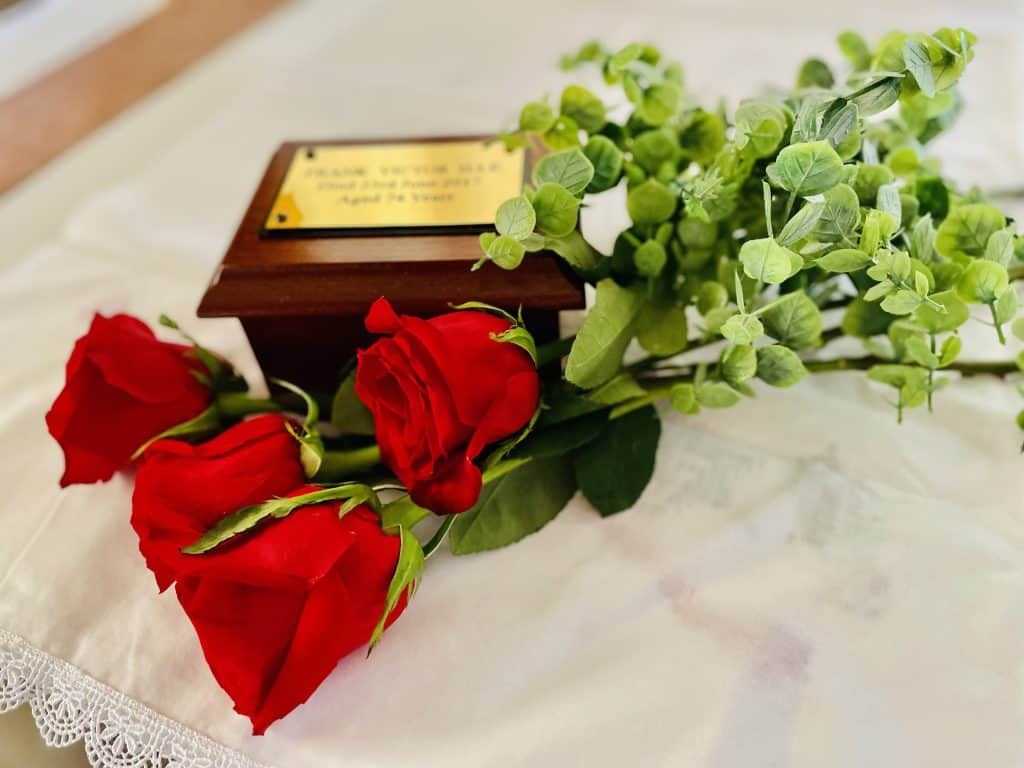
What is sometimes called a “free” cremation or “no-cost” cremation is a whole-body donation. Once the donation is performed, the remains are cremated free of charge. However, in some cases, there are costs associated with transporting the deceased and obtaining death certificates.
Donating your body to medical science has been an end-of-life choice for some time now. However, it has undoubtedly gained more popularity in recent times. For many, it now seems a valuable disposition method, commonly called an “anatomical gift.” Several national organizations offer an anatomical gift program whereby you can donate your body to science and the benefit of future generations.
They arrange the collection of the deceased, medical donation, cremation of remains, and return of cremains to the family, usually at no charge. We have listed the Universities and Medical Schools in South Carolina that operate whole-body donation programs.
The University of South Carolina School of Medicine’s Gift of Body Program (GOB), which began in the 1970s, helps train medical staff to better serve South Carolinians.
USC School of Medicine Cell Biology & Anatomy, Columbia, SC, 29208 Phone (803) 216-3888
There are minimal costs to the surviving family unless a donor dies outside South Carolina or is a considerable distance from Columbia, SC. Within a certain distance outside the state of South Carolina, the donor may still be allowed to enter the program, with the donor’s family incurring the extended transportation costs. Other costs to the family are for death certificates.
The study period for a donor is 1 to 4 years. Once the study is complete, the cremated remains are returned to the family or interred in a designated Memorial Garden.
MUSC Willed Body Program in Charleston, SC, conducts an Anatomical Gift Program. Donors MUST register to be donors. Next of kin cannot opt to donate a loved one upon passing if he or she has not previously consented and signed a MUSC Anatomical Gift Program donation form.
MUSC Anatomical Gift Program, Department of Regenerative Medicine and Cell Biology, 173 Ashley Avenue – BSB 601, MSC 508, Charleston, SC 29425. Phone (843) 792-3521
The University of South Carolina School of Medicine, Greenville Hospital System, has a Willed Body Program. Generally, a donation to the program incurs no costs for the donor or the donor’s next of kin. The donation period lasts between 1 month and 2 years. After completion, the donor’s cremated remains are returned to the family. For more information, contact the GHS Willed Body Program at (864) 455-9838.
Do understand that an anatomical donation cannot always be accepted at the time of death. It can be affected by the needs of medical and research institutions and transportation services at the time. Registering to become a donor is NO guarantee that your donation will be accepted.
Visit our Body Donation page to read further about this option.

Does South Carolina offer any financial assistance with cremation costs?
There are no state-level programs to provide financial assistance for cremation costs. Instead, residents must explore any Federal, County, or city of residence programs that offer help.
Federal Resources: A surviving spouse or dependent may receive a lump-sum death payment of $255 if they meet eligibility requirements. Social Security’s Lump Sum Death Payment (LSDP) is federally funded and managed by the U.S. Social Security Administration (SSA).
County/Municipality Resources: Eligibility for any county assistance varies by county and city. Local counties may include provisions in their budgets to cover indigent cremation services and sometimes offer support to needy or low-income families. You would need to check what support is available in your county. Use this link to find your nearest SC County Office.
What happens if I cannot pay for a cremation?
As covered above, there are Federal, State, and County programs the family can explore if the deceased and surviving family are eligible. If the deceased had no prepaid funeral plan or life insurance, the responsibility for paying the funeral bill fell to the immediate next of kin. This can be very stressful if you lose a family member and become responsible for the funeral arrangements without any resources.
Check out this guide to What to do if I cannot afford a funeral to learn about other possible funding and charity organizations.
What happens if the deceased is at the Medical Examiner’s morgue?
If the deceased is at the coroner’s office, you must arrange for a funeral director to collect the body when the coroner signs the release form. You must authorize the funeral director to collect your loved one and transfer him or her into their care.
Most funeral directors regularly deal with the coroner’s office, and the ME issues the authorization and permit to cremate, which can make the arrangements easier. For this reason, some funeral homes can offer a budget direct cremation when handling remains from the Medical Examiner.
How to Make a Complaint if You Are Dissatisfied with a Cremation Service Provider
If you had a bad experience with a cremation service in South Carolina, you must notify the correct licensing and legal authorities. This way, appropriate action can be taken, and other consumers can be protected. Below are some steps for registering a complaint.
1. Gather information: Firstly, ensure you have all the necessary details about the cremation provider, such as their name, address, and contact information. Additionally, note down the specifics of your complaint and any supporting documentation you may have.
2. Contact the provider: Start by contacting the cremation provider directly. Explain your concerns and see if they can be satisfactorily addressed, and resolve the issue. If they are unresponsive or you are not satisfied with their response, proceed to the next step.
3. File a complaint with the South Carolina Labor Licensing Regulation Board of Funeral Service: The Board oversees funeral and cremation services. You can file a complaint with the Board by submitting it online through their official website or contacting them directly for guidance on how to proceed.
Do note: The Board can only take action if it finds sufficient evidence that the funeral director has violated Public Health Law in implementing cremation regulations. If the complaint concerns a dispute over cremation fees, please note that the Department has no jurisdiction over the fee amount charged; it applies only to the mandated disclosure of the fee, as per the FTC Funeral Rule.
Contact details: South Carolina Labor Licensing Regulation Board of Funeral Service, 110 Centerview Dr, Columbia, SC. Email: [email protected]. Phone (803) 896-4497
You can complete the Complaint Form online here.
If your complaint concerns fees charged or any other consumer issue, you may wish to file a formal complaint with the Federal Trade Commission. You can file a complaint with the FTC online or call 1-877-FTC-HELP (382-4357).
The FTC cannot resolve individual consumer problems, but it can act against a funeral or cremation company if it sees a pattern of violations of the law.
4. File a complaint with the South Carolina Attorney General: Another option is to contact the SC Attorney General’s Office. Rembert Dennis Building, 1000 Assembly Street, Room 519, Columbia, S.C. 29201 Phone (803) 734-4200
5. Seek legal advice: If the issue remains unresolved or you feel further action should be taken, you might consider consulting with an attorney specializing in funeral law or consumer protection. They can provide you with legal guidance and help explore your options for further action
If you have further questions about cremation services or costs in South Carolina that we have not answered, please get in touch with us. We are here to assist you.
For comprehensive information about all funeral options, laws, green burial, veterans’ benefits, and more, visit our Complete Guide to Funeral Costs & Options in South Carolina.
Frequently Asked Questions About Cremation in South Carolina
Direct cremation is the least expensive option. DFS Memorials offers direct cremation from just $895, which includes the collection of the deceased, all required paperwork, the cremation, and a temporary container for the ashes.
South Carolina law mandates a 24-hour waiting period after death before cremation can proceed. In practice, completing all legally required paperwork and obtaining the cremation authorization typically takes 3 to 5 days, and most cremations take place within 5 to 7 days of the death.
No. South Carolina law does not require a casket for cremation. Only a suitable rigid container is needed, which is typically a reinforced cardboard or plywood box included in most direct cremation packages. Some funeral homes offer rental caskets if you wish to hold a viewing before the cremation.
No. Embalming is not required by South Carolina state law for cremation. It is only recommended if a public viewing or open-casket ceremony is planned before the cremation. Families choosing direct cremation can avoid embalming costs entirely.
The legal next of kin must sign a Cremation Authorization Form before cremation can proceed. The priority order is: surviving spouse, adult children, parents, adult siblings, then other relatives. If the deceased pre-signed a cremation authorization during their lifetime, that document takes precedence.
Yes. You can scatter ashes on your own private property without restriction. South Carolina state parks prohibit scattering within 100 yards of trails and water sources. For ocean scattering, EPA regulations require scattering at least 3 nautical miles from shore, and you must notify the EPA within 30 days.
The first certified copy of a South Carolina death certificate costs $12 from the South Carolina Department of Public Health (DPH). Additional certified copies cost $3 each. Most families need 5 to 10 copies for insurance claims, bank accounts, and legal matters.
Yes. Aquamation (alkaline hydrolysis) is legal in South Carolina and costs between $1,045 and $3,900. It is a water-based alternative to flame cremation that uses significantly less energy and has a lower environmental impact.
Yes. Under SC Code §44-63-74, an individual may act as a funeral director on behalf of a deceased family member or friend without compensation. You would need to file the death certificate and obtain the necessary cremation and transit permits from the local registrar, and find a crematory willing to work directly with families.
Yes. Several South Carolina institutions accept whole-body donations, including MUSC in Charleston, USC Columbia, and USC Greenville. These programs typically cover all transportation and cremation costs, making it a no-cost option. However, donations are not always accepted at the time of death, so a backup funeral plan is advisable.
Part of our Complete Guide to Cremation
This South Carolina guide is one of our state-by-state cremation resources. Explore more:
- The Complete Guide to Cremation — how cremation works, costs, options & your rights
- Average Cost of Cremation — national & state-by-state pricing
- Compare Cremation Providers — top U.S. cremation brands & prices
- Cremation Laws Explained — the rules that govern the process
- Nearby states: North Carolina, Georgia, Tennessee


