Oregon has one of the highest cremation rates in the United States at approximately 78%, reflecting the state’s progressive approach to death care and end-of-life planning. As the first state to legalize physician-assisted death through the Death with Dignity Act, Oregon continues to lead the nation in innovative and compassionate death care options. Whether you’re planning ahead or facing an immediate loss, understanding cremation costs and your state’s unique legal framework is essential to making informed decisions that honor your loved one and fit your budget.
Oregon offers an impressive range of cremation options beyond traditional full-service cremation. Direct cremation remains the most affordable choice, with an average cost of $1,328, and DFS Memorials in Oregon offers competitive pricing at just $995.
If you prefer alternatives to flame cremation, Oregon legalized aquamation (water cremation) and was one of the first states to allow human composting through natural organic reduction (NOR), also known as terramation. These alternatives provide meaningful options for those seeking environmentally conscious or culturally significant end-of-life care.
One of Oregon’s greatest advantages is the absence of mandatory involvement by funeral directors. Oregon law allows families to handle cremation arrangements themselves, which can significantly reduce costs.
Additionally, home funerals are legal in Oregon, giving families maximum flexibility and control over how they care for and remember their loved ones. This guide breaks down cremation pricing by city, explains your legal options, and provides resources to help you find affordable, respectful cremation services in Oregon.
Below is a breakdown of average & best direct cremation prices by city in Oregon.
| City | BEST PRICE (DFS) | AVERAGE PRICE | CALL NOW – DFS |
|---|---|---|---|
| Beaverton | $995 | $1,320 | (503) 404-3992 |
| Corvallis | $995 | $1,882 | (503) 404-3992 |
| Eugene | $1,195 | $1,897 | (541) 209-6077 |
| Gresham | $995 | $1,169 | (503) 404-3992 |
| Hillsboro | $995 | $1,708 | (503) 404-3992 |
| Medford | $1,206 | ||
| Portland | $995 | $1,696 | (503) 404-3992 |
| Salem | $995 | $2,651 | (503) 404-3992 |
| Springfield | $1,195 | $1,222 | (541) 209-6077 |
The above table reflects current pricing data gathered from cremation providers across Oregon’s major cities, compiled by Funeralocity to create an average price matrix. Direct cremation costs by DFS are collated from the DFS Memorials cremation coalition network [2026].
Many families discover substantial savings by comparing providers and understanding what is and isn’t included in the advertised price. DFS Memorials, one of Oregon’s most affordable cremation providers, consistently offers direct cremation services well below the state average, making professional cremation accessible to families across all income levels.

Typical Cremation Costs in Oregon
Cremation costs in Oregon vary depending on the provider, location, and services selected. With a 78% cremation rate, Oregon is one of the most competitive cremation markets in the country. The table below provides an overview of typical price ranges.
| Service Type | Typical Cost Range | What This Includes |
|---|---|---|
| Direct Cremation | $995 – $2,000 | Basic services, transportation of the deceased, cremation process, and return of ashes in a temporary container. |
| Cremation with Memorial Service | $2,500 – $5,000 | Direct cremation followed by a memorial service at a funeral home, church, or other venue. |
| Full-Service Cremation Funeral | $4,000 – $7,000+ | Viewing or visitation, formal funeral service, cremation, and memorial arrangements. |
| Cremation with Burial of Ashes | $3,000 – $6,000+ | Cremation followed by burial of the urn in a cemetery plot or columbarium niche. |
| Aquamation (Water Cremation) | $1,895 – $2,295 | Alkaline hydrolysis process using water instead of flame. Legal in Oregon since 2009. |
| Human Composting (NOR) | $4,950 – $7,000 | Natural organic reduction converting the body to soil over approximately 30 days. Legal in Oregon since 2022. |
Prices shown are estimates and may vary by provider and location. Always request a General Price List (GPL) before making arrangements.
How Much Does a Direct Cremation Cost in Oregon?
Direct cremation is the simplest and most cost-effective cremation option available in Oregon. The average cost of direct cremation in Oregon is $1,328, though DFS Memorials offers this essential service for just $995 at their Oregon locations. Direct cremation includes only what the name implies: the transportation of your loved one to the crematory, the cremation process itself, and the return of the cremated remains in an undecorated container. There is no funeral service, viewing, embalming, or ceremonial elements included. This straightforward approach allows families to eliminate unnecessary expenses while still receiving professional, dignified cremation services.
Direct Cremation Cost Comparison – Portland, Oregon
Direct cremation is the most affordable cremation option in Portland and throughout Oregon. The prices below illustrate how costs can vary significantly between providers.
| Provider | Estimated Direct Cremation Price | Notes |
|---|---|---|
| DFS Memorials Provider | $995 | Affordable direct cremation arranged through a local licensed provider. No upselling or bundled services. |
| Tulip Cremation (FPG) | $1,295 – $1,795 | Online-focused cremation brand owned by Foundation Partners Group. Arrangements made via phone or website. |
| Neptune Society (Portland) | $2,000 – $3,000+ | National cremation brand with a Portland location. Strong focus on pre-need plans and membership packages. |
| Local Funeral Home (average) | $1,500 – $3,500 | Prices vary widely depending on the funeral home. Some include extras that increase the total cost. |
Prices shown are estimates based on publicly available pricing data and may vary. Always confirm current pricing directly with the provider and request a General Price List (GPL).
The appeal of direct cremation extends beyond cost savings. Many Oregon families choose direct cremation because it aligns with their values of simplicity and environmental consciousness. Once your loved one is cremated, your family retains complete control over when and where to hold a memorial service, scatter ashes, or display the cremated remains. Some families hold a private gathering at home, while others arrange a celebration of life at a meaningful location months or even years later. This flexibility allows you to plan a farewell that truly reflects your loved one’s life and your family’s beliefs.
Why Choose Direct Cremation?
Direct cremation is the go-to choice for budget-conscious families who want to avoid the high costs associated with traditional funeral services. By eliminating viewings, embalming, caskets, and formal funeral ceremonies, families can redirect resources toward meaningful memorial experiences or other important needs. Many Oregon families also choose direct cremation because it honors their loved one’s wishes for a simple, unpretentious farewell. Some prefer to hold a memorial service at a location with personal significance — perhaps a favorite hiking trail in the Cascade Mountains, a beloved garden, or a community gathering space — rather than a funeral home.
From a practical perspective, direct cremation is also the fastest option. Oregon requires a 24-hour waiting period before cremation, but once that period passes, cremation can be completed within days rather than weeks. This makes direct cremation ideal for families who are geographically dispersed or who prefer to gather at a later date when travel is easier. Oregon’s lack of mandatory funeral director involvement means you can arrange direct cremation yourself or through a cremation provider, giving you maximum control and cost efficiency.
What Affects the Price of Direct Cremation?
Several factors influence the final cost of direct cremation in Oregon. Geographic location is significant — cremation services in Portland and Eugene tend to be more competitively priced due to higher demand and more providers, while rural areas may have fewer options and potentially higher costs. The weight and size of your loved one can also affect pricing, as larger individuals require more fuel and crematory time. Some crematory facilities charge additional fees, though reputable providers like DFS Memorials include all essential services in their advertised price.
The container provided for cremated remains can vary in cost. Direct cremation typically includes a basic, undecorated container, but families can upgrade to decorative urns or alternative containers at additional cost. Transportation distance from the place of death to the crematory may incur extra fees if substantial, particularly in Oregon’s more remote rural counties.
Finally, the timing of cremation can matter — rush cremations or expedited service requests may cost more. By asking detailed questions about what is included in the advertised price and comparing multiple providers, you can find the most affordable option that meets your needs.
How Much Does a Full-Service Cremation Cost in Oregon?
Full-service cremation costs significantly more than direct cremation, with an average price of $5,163 in Oregon. This option includes all the elements that direct cremation omits: professional handling and preparation of your loved one’s body, embalming (if requested), a viewing or visitation period, a cremation ceremony or funeral service, use of the funeral home’s facilities, a casket or container for viewing, and assistance with paperwork and arrangements. Full-service cremation is ideal for families who want to gather together in a formal setting to pay respects, share memories, and begin the grieving process collectively.
The full-service cremation experience typically unfolds over several days. Your family meets with a funeral director to select services and merchandise, such as caskets or urns. The funeral home then prepares your loved one, coordinates the service with clergy or celebrants if desired, and manages all logistics. A viewing allows family and friends to say goodbye in a peaceful, dignified setting. The actual cremation ceremony may be private (attended only by family) or incorporate a broader funeral service with eulogy, music, and religious rites. After cremation, your family receives the cremated remains in a container of your choice. This comprehensive approach provides structure and professional support during a difficult time.

What Is Included in Full-Service Cremation?
Full-service cremation packages typically include several key components. Professional staff will transport your loved one from the place of death to the funeral home and provide refrigeration if needed (Oregon law requires refrigeration or embalming within 24 hours of death). The funeral home will bathe, dress, and prepare your loved one’s body for viewing.
Embalming is included in most full-service packages, though you can decline it if your loved one will be cremated within the required timeframe and you don’t plan a viewing. The funeral home provides access to their chapel or visitation room for viewings and services, handles all arrangements with the crematory, and provides staff to coordinate the service with clergy, musicians, or celebrants of your choice.
The service merchandise is another significant component of the full-service cremation cost. A casket for viewing (which is not consumed during cremation) represents a major expense, even though you won’t need an expensive burial casket. The funeral home also provides an urn or container for the cremated remains, which can range from simple and functional to quite elaborate.
Additional services may include a printed funeral program, guest book, video recording of the service, flowers and floral arrangements (coordinated through the funeral home), or publication of an obituary. Professional funeral staff are available throughout the process to manage details and offer support, providing significant peace of mind during a crisis.
Ways to Reduce Full-Service Cremation Costs
If you want the structure and professional support of full-service cremation but need to minimize costs, several strategies can help. First, compare funeral homes — cremation prices vary significantly between providers, sometimes by more than $1,000 for the same services. Request an itemized price list for any funeral home you’re considering; Oregon law requires funeral homes to provide written pricing.
You can decline embalming if the body will be promptly refrigerated, saving $500-800. Choose a simple casket for viewing rather than an ornate one; many families use a basic wooden or cardboard casket, knowing it won’t be buried. Select a simple cremated remains container rather than an expensive decorative urn — you can always purchase a nicer urn later from an independent source.
Other cost-reduction strategies include limiting the visitation period (a shorter window means less staff time and facility use), holding the service at a location outside the funeral home, such as a church or community center, limiting the flowers and decorations, using music that doesn’t require musicians to be hired, and handling some tasks yourself, such as writing the obituary or creating the service program.
Some families discover that they can decline certain merchandise and services altogether — for example, you might skip flowers entirely and ask guests to donate to a charity in your loved one’s name. Being informed about what you actually need versus what the funeral home suggests as standard can yield significant savings without compromising the service’s dignity.
Aquamation (Water Cremation) Costs in Oregon
Aquamation, also known as water cremation, alkaline hydrolysis, or bio-cremation, is a modern alternative to flame cremation that uses water and gentle heat instead of fire to return your loved one’s body to ash. Oregon legalized aquamation, making it a legal and increasingly popular option for environmentally conscious families.
The cost of aquamation in Oregon ranges from $1,895 to $2,295, which is moderately higher than direct cremation but significantly less expensive than full-service cremation. Many families choose aquamation because it aligns with their environmental values; the process uses less energy than traditional cremation and produces no air emissions.
The aquamation process is gentle and respectful. Your loved one’s body is placed in a chamber filled with water and a small amount of alkaline solution, heated to approximately 200 degrees Fahrenheit for 3-8 hours, depending on body weight. The process dissolves soft tissues and leaves behind ash that is chemically identical to cremation ash. The bone fragments are then processed into a fine powder, and the remaining liquid is safely treated and returned to the water system.
Families receive the cremated remains in a container of their choice, just as they would with traditional cremation. The aquamation ash can be scattered, buried, kept in an urn, or used in other meaningful ways.
Aquamation offers several advantages beyond environmental consciousness. The process is considered more respectful by some families because it avoids the intense heat of flame cremation, though this is largely symbolic as the end result is identical. Families may also prefer aquamation for religious or cultural reasons. The cremated remains are indistinguishable from flame-cremation remains and can be scattered at the same locations in Oregon.
If you’re interested in aquamation, ask your funeral provider whether they have relationships with aquamation facilities. Not all funeral homes in Oregon offer this service yet, though availability is expanding as the technology becomes more established and families learn about this option.
Human Composting (Natural Organic Reduction) Costs in Oregon
Oregon was one of the first states to legalize human composting through a process called natural organic reduction (NOR), also known as terramation. This innovative option became legal in Oregon on July 1, 2022, following passage of SB 1543. Human composting is a completely natural process in which your loved one’s body is combined with plant materials like straw and wood chips, kept at optimal moisture and temperature levels in a specialized vessel, and gradually transformed into nutrient-rich soil over approximately 30 days. The resulting soil typically weighs 200-400 pounds and can be returned to your family for use in gardens, as memorial plants, or scattered in meaningful locations.
The cost of human composting through a natural organic reduction provider in Oregon ranges from $4,950 to $7,000, depending on the specific facility and services included. While this is more expensive than direct or aquamation cremation, many families view it as a meaningful way to return their loved one to the earth while creating something living and growing in their memory.
A family member might plant a tree in the soil derived from their loved one, nurture it over the years, and watch it grow as a living monument. This option resonates deeply with families who have strong environmental values or who seek a sense of direct participation in returning their loved one to nature.
The natural organic reduction process is overseen by trained professionals in a dedicated facility. Your loved one’s body is placed in a specialized vessel with plant materials, and the facility monitors temperature and moisture to ensure the decomposition process proceeds at an optimal pace. The family cannot be present during the process itself, but many facilities offer information about the timeline and updates as the transformation occurs. Once complete, the resulting soil is returned to your family in containers, typically ready for pickup within 4-6 weeks. This option remains relatively new, so fewer facilities in Oregon currently offer NOR, but availability is expanding. If you’re interested in exploring human composting, contact the natural organic reduction provider serving your region to learn about the specific process, timeline, and soil return options.
Cremation Laws & Regulations in Oregon
Understanding Oregon’s cremation laws is essential for making informed decisions about end-of-life care. Oregon has a progressive legal framework that emphasizes family choice and minimizes unnecessary restrictions. One of Oregon’s most distinctive laws is the absence of a requirement for a licensed funeral director to arrange cremation. Families can contact cremation providers directly, arrange all details themselves, and authorize cremation without involving a funeral home. This direct cremation option is particularly valuable for families seeking the lowest possible costs or those who want maximum control over the process.
Oregon law requires a 24-hour waiting period before cremation, beginning at the time of death. This waiting period allows time for legal verification and ensures that proper identification and documentation are in place. However, once this waiting period has passed, cremation can proceed promptly.
Oregon does not require embalming by law, though embalming is required if the body will not be refrigerated within 24 hours of death or if public viewing is planned. Many families choose direct cremation specifically to avoid unnecessary embalming. Refrigeration at a funeral home or crematory is a simple, inexpensive alternative that preserves the body while the family makes arrangements.
Oregon recognizes home funerals as a legal option. Families may care for their loved one’s body at home after death, provided the body is refrigerated or embalmed within 24 hours. Home funerals can be deeply meaningful for families across cultural, religious, and personal traditions, and they are typically significantly less expensive than funeral home services. To arrange a home funeral, you’ll need to contact a local funeral provider or death care professional who can advise on the legal requirements, help with death certificates and permits, and provide guidance on body care and preparation.
The Oregon Mortuary and Cemetery Board regulates funeral homes, crematories, cemeteries, and funeral professionals. This state agency enforces licensing requirements, investigates complaints, and ensures that death care providers meet professional standards. If you have concerns about the service you received from a cremation provider or funeral home, you can file a complaint with the Oregon Mortuary and Cemetery Board. Oregon also enforces the FTC’s Funeral Rule, which requires funeral homes and cremation providers to disclose prices in writing and allow families to purchase items from outside vendors rather than being forced to buy everything from the funeral home.
Where Can I Scatter Ashes in Oregon?
Oregon offers abundant natural beauty and diverse locations for scattering cremated remains, from dramatic coastal cliffs to mountain peaks to gentle river valleys. Scattering ashes allows families to return their loved one to a place of personal significance, whether a favorite hiking trail, a cherished vacation destination, or a serene natural landscape. Oregon law permits scattering of cremated remains on private property with the owner’s consent and in many public locations, though specific regulations vary by location.
Crater Lake National Park is one of Oregon’s most iconic scattering locations. The pristine alpine lake, surrounded by mountains and coniferous forests, offers a stunning, deeply spiritual setting. However, Crater Lake has specific regulations: ash scattering is permitted only in designated areas, typically away from the main visitor areas. Contact the park in advance to understand current rules and identify appropriate locations.
Mount Hood National Forest, encompassing the iconic snow-capped peak and surrounding wilderness, allows ash scattering in many areas. The Timberline Trail circumnavigating Mount Hood passes through old-growth forest, wildflower meadows, and panoramic vistas — a meaningful route for families who hiked or camped there with their loved one.
The Columbia River Gorge, stretching 80 miles along the Oregon-Washington border, offers dramatic basalt cliffs, thundering waterfalls, and lush riparian habitat. Waterfall viewpoints and hiking trails throughout the Gorge provide accessible locations for families to scatter ashes while enjoying this natural wonder.
The Oregon Coast offers its own powerful beauty — windswept beaches, sea stacks, and tide pools provide peaceful settings for oceanside ceremonies. Families often choose locations near favorite beach towns or along the dramatic southern Oregon coast near places like Crater Lake and the Rogue River Valley. Inland, the Willamette Valley represents Oregon’s agricultural heart and offers gentler landscapes of forests, meadows, and small creeks.
Before scattering ashes, verify regulations for your specific location. National parks have specific rules (generally restricting scattering to certain areas). National forests typically allow dispersal away from developed areas and drinking water sources. State parks and public lands may have their own guidelines; contact the specific park or land management agency.
Always obtain permission from private landowners before scattering on private property. Some families prefer to scatter ashes gradually over time or in multiple locations, allowing multiple family members or friends to participate in ceremonies at different meaningful places.
Professional scattering services are available if you prefer not to arrange this yourself, though many families find the act of scattering deeply meaningful and prefer to participate directly.
Cremation Urns & Keepsakes ~ Memorialization
Cremation urns serve as containers for your loved one’s cremated remains and can become meaningful focal points for family remembrance. Urns range dramatically in style, material, and price — from simple biodegradable cardboard or salt urns costing under $50 to handcrafted ceramic, wood, or metal urns costing hundreds of dollars.
Your selection should reflect your loved one’s personality, your family’s values, and how you intend to use the urn. If you plan to scatter the ashes, you may choose an inexpensive temporary urn, knowing it won’t be kept long-term. If you plan to keep the urn as a memorial display, you might invest in a beautiful decorative piece that complements your home’s aesthetics.
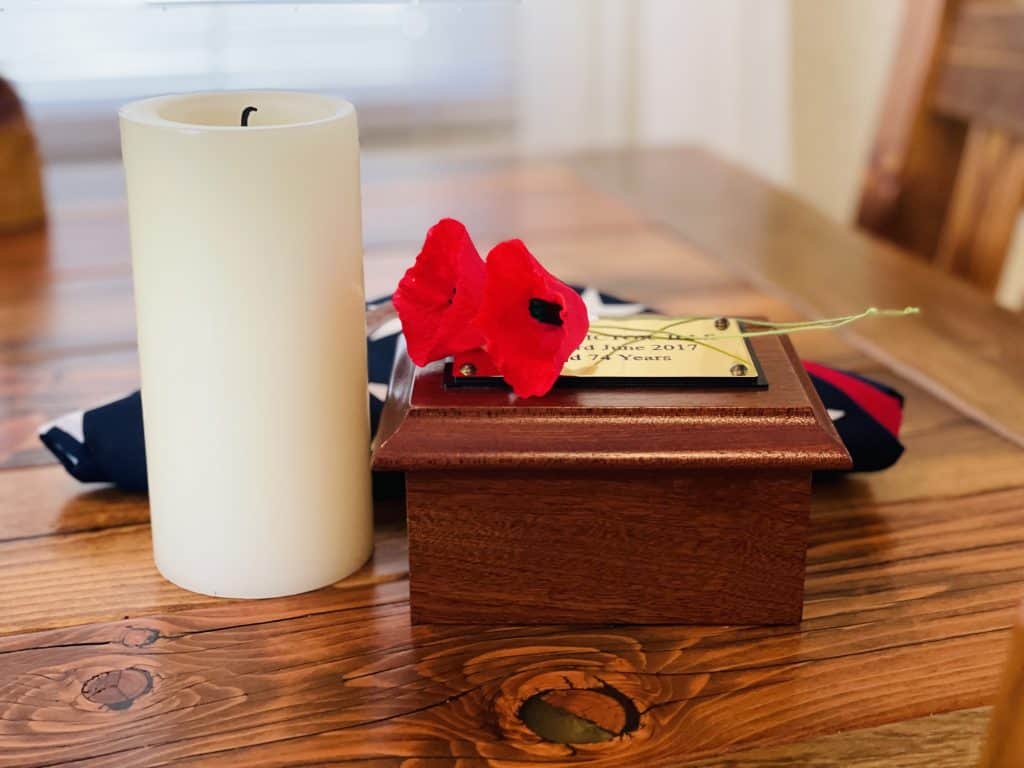
Material choices offer diverse aesthetic and practical options. Classic wooden urns provide warmth and elegance and are popular for in-home memorial displays. Metal urns, whether brass, copper, or stainless steel, offer durability and a more formal appearance. Ceramic and porcelain urns can be handcrafted and personalized with colors, designs, or even photographs.
Biodegradable urns made from salt, sand, paper, or plant materials are designed to dissolve in water or soil, ideal for families planning water scattering or planting trees. Many cremated remains are displayed in niche urns at columbaria — mausoleum walls with small compartments designed to hold urns securely and respectfully. Whatever style you choose, your urn becomes a tangible representation of your love and a focal point for ongoing remembrance.
Beyond traditional urns, families increasingly choose keepsakes to divide cremated remains among family members. Keepsake urns (small urns holding a portion of ashes), jewelry urns (pendant urns worn on a chain), scattering urns (designed to release ashes from a boat or during a meaningful ceremony), and memorial gardens (where a tree is planted with a small amount of ashes) all allow families to keep their loved one close in personalized ways. Some families plant the entire portion of cremated remains in soil with a tree sapling; as the tree grows, it becomes a living memorial. Others divide ashes among siblings or children, allowing each family member to keep a portion. These options acknowledge that grief is individual and that family members may wish to honor their loved one in different ways.
Veterans’ Cremation Benefits in Oregon
Military veterans and their families may be eligible for significant benefits that reduce or eliminate cremation costs. The U.S. Department of Veterans Affairs provides burial benefits for eligible veterans, including a burial allowance that can be applied toward cremation costs. The current VA burial allowance is modest (around $300), but it can offset part of the cremation cost. Additionally, many military cemeteries offer free cremation services or deeply discounted rates specifically for veterans.
In Oregon, Willamette National Cemetery in Portland is the primary VA facility serving Oregon veterans. Located in the Willamette Valley near Salem, this historic cemetery honors veterans from all branches of military service. Willamette National Cemetery offers perpetual care, respectful interment, and — importantly for cremation — inurnment of cremated remains at no cost to eligible veterans and their spouses.
While the cemetery is primarily designed for traditional burial, the inurnment program provides a dignified setting for veterans’ cremated remains in niche gardens specifically designed for columbarium placement. Family members can visit, leave flowers, and maintain a connection to the memorial site.
Other national cemeteries serving Oregon veterans include Eagle Point National Cemetery in southern Oregon and Roseburg National Cemetery, which accepts cremated remains only. To determine your loved one’s eligibility and explore specific benefits, contact the Department of Veterans Affairs directly or visit your local VA office. Documentation of military service (typically a DD214 discharge certificate) will be required.
If your veteran’s family cannot afford cremation, the VA can sometimes work with local funeral providers to arrange services at reduced or no cost, and state veterans’ organizations may offer additional assistance programs. For Oregon veterans and their families, military service creates opportunities for respectful, affordable cremation and memorial services.
Pre-Planning Cremation in Oregon
Pre-planning your cremation in advance provides peace of mind, protects your family from making rushed decisions during grief, and can lock in current prices, potentially saving thousands of dollars. Cremation pre-planning involves documenting your preferences regarding direct cremation versus full-service cremation, your preferred cremation provider, how you want your ashes handled, and any religious or cultural rituals important to you. This advance planning removes the burden from your family at a vulnerable time and ensures your wishes are honored.

Pre-planning options range from simple (documenting your wishes in writing and sharing them with family) to more formal (entering into a pre-arrangement contract with a funeral home or cremation provider). Many funeral homes and cremation providers offer pre-planning services, allowing you to select your preferred provider, choose between cremation options, select urns or keepsakes, and sometimes pay in advance at current prices.
While advance payment offers price certainty, many families prefer to simply document their wishes in a clear, accessible location and leave actual payment decisions to the family. Either approach is valid — the key is ensuring your wishes are known and documented.
When pre-planning cremation, consider discussing these key decisions: Will you choose direct cremation or full-service cremation? Which cremation provider do you prefer, and why? How should your cremated remains be handled — scattered, buried, kept in an urn, divided among family members, or used for a living memorial? Are there any religious, cultural, or personal rituals that should be included? Who should make decisions if you’re unable to?
Do you want a funeral service, a memorial gathering, or something else? Share these documents with family members and your designated healthcare or funeral decision-maker. Store them in an accessible location (not a safe deposit box, which may be difficult for the family to access quickly). This thoughtful preparation becomes a gift to your family, freeing them to grieve rather than navigate complex decisions during their most vulnerable moment.
End-of-Life Support & Death Doula Services in Oregon
Beyond cremation logistics, many Oregon families benefit from support services that honor the full dying and grieving process. Death doulas, also called end-of-life doulas or death midwives, are trained professionals who provide emotional, spiritual, and practical support to the dying person and their family. Death doulas do not provide medical care; rather, they offer presence, listen deeply, help document the dying person’s life story and wishes, facilitate conversations between family members, and support the transition toward death. This role parallels birth doulas in many ways — providing presence, education, advocacy, and emotional support during a profound life transition.
Death doula services can begin weeks or months before death, supporting conversations about end-of-life wishes, completing advance directives, and ensuring the dying person feels heard and supported. During the active dying phase, a death doula may provide continuous presence, help manage comfort, facilitate meaningful rituals, and support family members through the witnessing of death. After death, some death doulas continue supporting families through grief and adjustment. Oregon has a growing community of trained death doulas serving individuals and families throughout the state. The International End of Life Doula Association (INELDA) maintains a directory of certified doulas, many of whom serve Oregon families.
Other end-of-life support services valuable during the cremation process include grief counseling (many therapists specialize in bereavement and loss), hospice services (if your loved one is in the final stages of a terminal illness), bereavement support groups (allowing families to share grief with others who understand), and spiritual direction (if your family has religious or spiritual beliefs). Organizations like The Dinner Party (supporting young adults through death and grief) and GriefShare (faith-based grief support) offer community and perspective during mourning. Taking advantage of these resources honors both your loved one’s passing and your family’s emotional needs during a vulnerable time.
Additional Resources
For comprehensive information about death care options and funeral planning in Oregon, visit our complete Oregon funeral guide. To compare funeral homes and cremation providers throughout Oregon, consult our Oregon funeral homes directory. For information about death doulas and end-of-life support specialists serving Oregon, visit our Oregon death doula directory. To learn more about alternative cremation options, including aquamation and human composting, read our detailed guide to aquamation and water cremation and our comprehensive guide to human composting and natural organic reduction. For cremation urns and keepsakes, explore our full cremation urns buying guide.
The average cost of direct cremation in Oregon is approximately $1,328. However, affordable providers like DFS Memorials offer direct cremation in the Portland area for as low as $995. Prices vary by city and provider, so requesting itemized quotes from multiple providers is recommended.
Full-service cremation in Oregon averages $5,163 or more. This includes embalming, viewing, a funeral service, a casket, transportation, cremation, and return of ashes. Costs can range from $4,000 to over $8,000 depending on the services selected and the provider.
Yes. Oregon has legalized aquamation (alkaline hydrolysis) as an alternative to traditional flame cremation. Aquamation uses water, heat, and alkali to naturally decompose the body and is considered significantly more environmentally friendly than flame cremation. The average cost ranges from $1,895 to $2,295.
Yes. Oregon legalized human composting (Natural Organic Reduction or NOR) via Senate Bill 1543, effective July 1, 2022. The process transforms the body into nutrient-rich soil over approximately 30 days using plant materials. Costs range from $4,950 to $7,000.
No. Oregon does not require families to use a licensed funeral director. Families may arrange cremation directly with a crematory, handle their own paperwork, and even conduct home funerals. This can save $1,000 to $3,000 in professional service fees compared to using a traditional funeral home.
No. Oregon law does not require embalming in most circumstances. However, embalming or refrigeration is required within 24 hours of death, and embalming is required if the body is removed from refrigeration for public viewing for more than 6 hours. Declining embalming saves $500 to $800.
You can scatter ashes on private land with the owner’s permission, in national forests including Mount Hood National Forest, at Crater Lake National Park (with restrictions), along the Oregon Coast, in the Columbia River Gorge, and in designated scattering gardens at cemeteries. Each location has specific rules, so check requirements in advance.
Oregon requires a 24-hour waiting period after death before cremation can take place. In practice, the entire process from death to return of cremated remains typically takes 3 to 5 business days due to paperwork and scheduling requirements.
Veterans in Oregon can receive free inurnment at Willamette National Cemetery in Portland, Eagle Point National Cemetery, or Roseburg National Cemetery (cremated remains only). Benefits include a Government-furnished headstone or marker, a burial allowance, military funeral honors, and a Presidential Memorial Certificate. Contact the VA at 1-800-827-1000 for eligibility details.
Yes. You can sign a preneed contract with a licensed cremation provider in Oregon specifying your preferences and prepaying. Oregon law requires preneed funds held in trust to be reported annually to the Oregon State Department of Finance. Contracts can be guaranteed (price locked) or non-guaranteed (prices may change).
Part of our Complete Guide to Cremation
This Oregon guide is one of our state-by-state cremation resources. Explore more:
- The Complete Guide to Cremation — how cremation works, costs, options & your rights
- Average Cost of Cremation — national & state-by-state pricing
- Compare Cremation Providers — top U.S. cremation brands & prices
- Cremation Laws Explained — the rules that govern the process
- Nearby states: Washington, California, Idaho


